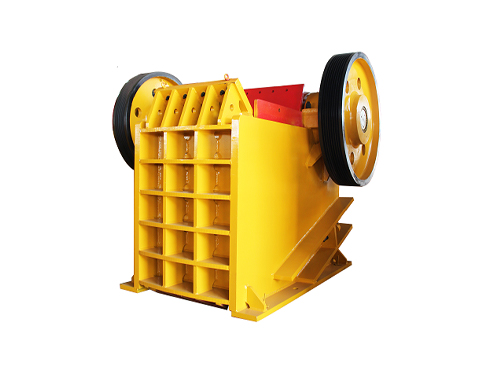
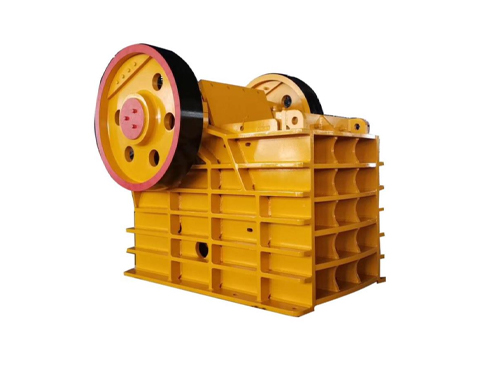
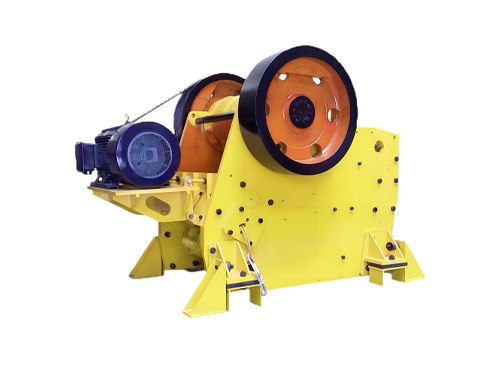
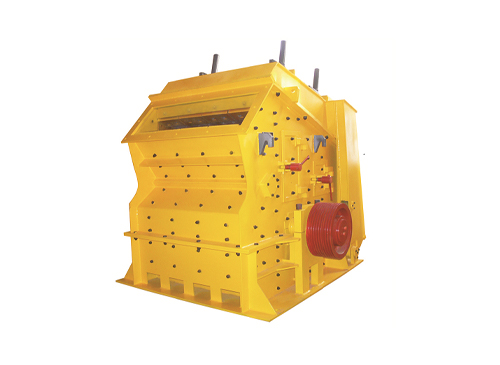
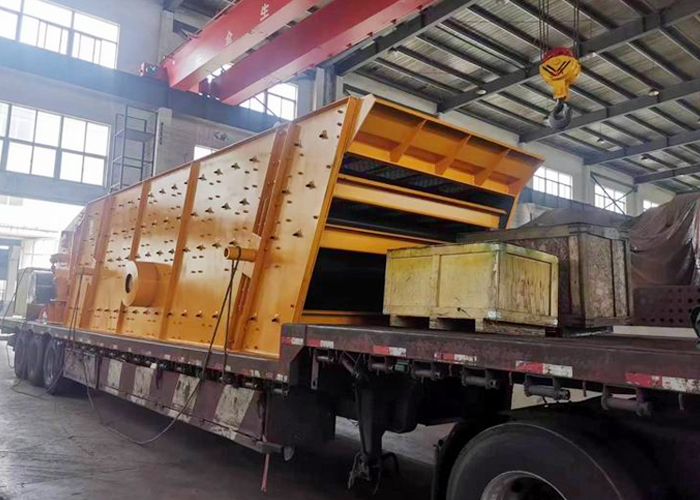
Stationary Secondary Rock Cone Crusher – Overview
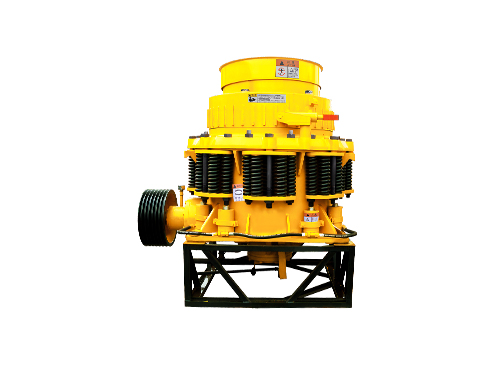
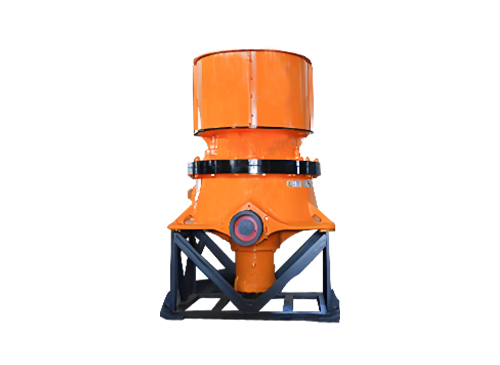
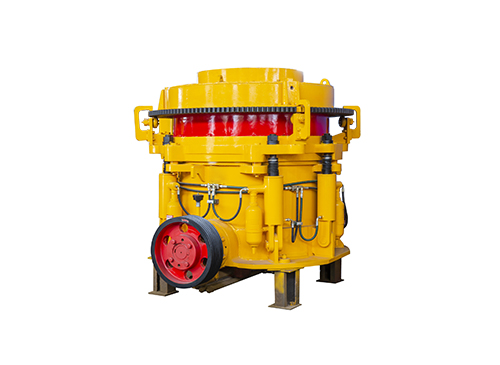
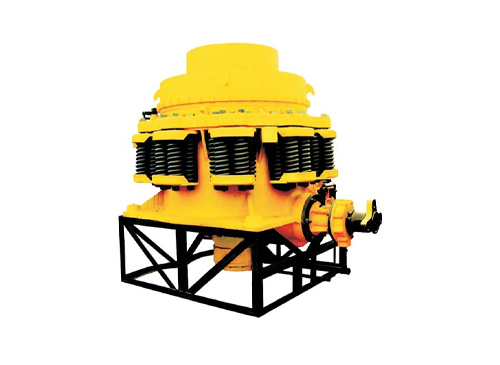
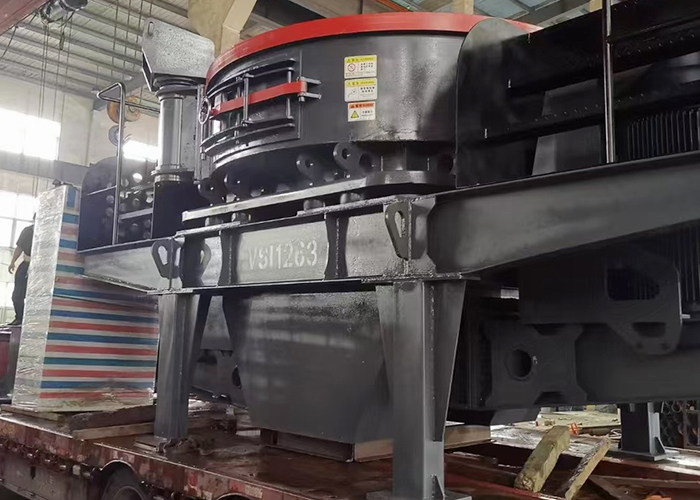
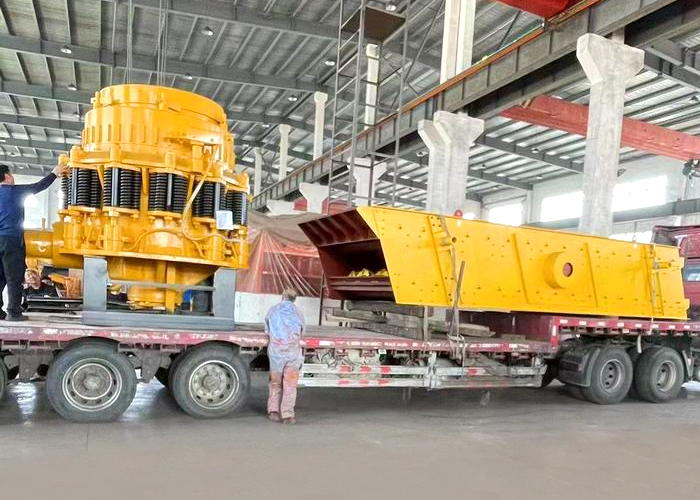
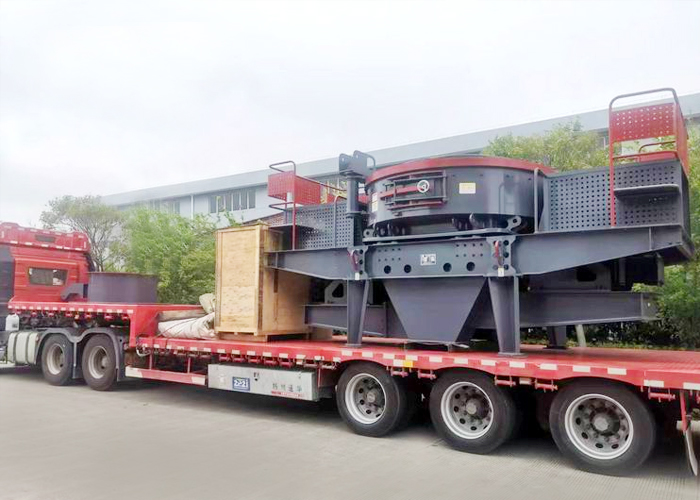
The SMC stationary secondary rock cone crusher is purpose-built for permanent, fixed-installation crushing plants, positioned directly after a primary jaw or gyratory crusher to reduce run-of-mine rock to a manageable secondary product size. Mounted on a dedicated concrete foundation, it is engineered for continuous, high-utilization operation rather than the frequent relocation demanded by mobile or portable crushers.
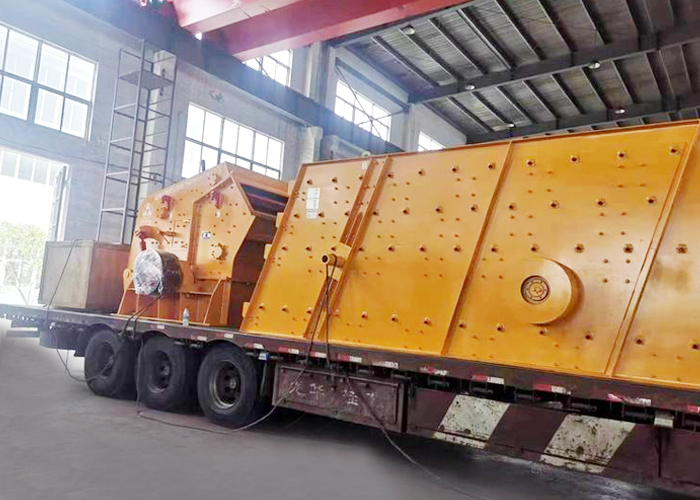
Because it operates as part of a permanent circuit, the crusher is designed for tight integration with upstream and downstream equipment: feed arrives via a fixed conveyor from the primary crusher, and product discharges onto a belt feeding a vibrating screen, with oversize material typically recirculated back to the crusher inlet in a closed circuit. This arrangement allows the plant to hold a consistent secondary product gradation over long production campaigns.
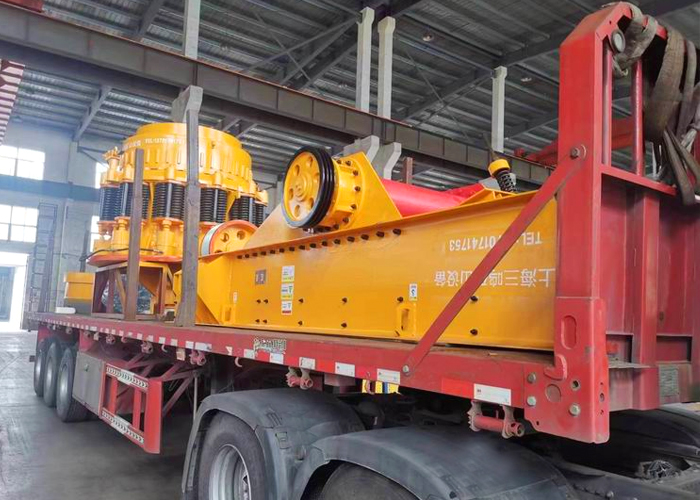
The crushing chamber uses a medium cavity profile tuned for secondary duty — coarser than a tertiary short-head chamber but finer than a primary crusher discharge — accepting feed sizes typically produced by a jaw crusher and reducing them to a size range suitable for tertiary crushing or direct screening into finished product fractions.
A robust heavy-duty frame and eccentric assembly are matched to sustained, around-the-clock operation, with a lubrication system sized for continuous duty cycles rather than intermittent mobile use. Because the machine does not need to be transported between sites, its foundation, guarding, and access platforms can be designed for long-term serviceability, including permanent maintenance walkways and overhead lifting provisions for liner changes.
The control system integrates with the plant's central control room, allowing operators to monitor crusher load, bearing temperature, and lubrication status alongside the rest of the crushing and screening circuit from a single interface, and to coordinate crusher speed or feed rate with upstream and downstream equipment for balanced plant throughput.
Because the crusher runs for extended campaigns without relocation, wear part selection focuses on maximizing liner life and minimizing planned downtime, with liner profiles and alloy grades selected to match the specific feed material of the plant, and scheduled liner changes coordinated with other planned maintenance across the crushing circuit.
Typical installations include large stationary quarry plants, mineral processing plants, and permanent aggregate production facilities where the secondary crusher operates for years at a fixed site, making foundation quality, structural integration, and long-term parts availability more important considerations than portability.
For operations building or upgrading a permanent crushing and screening plant, the SMC stationary secondary rock cone crusher provides the durability, integration flexibility, and consistent output needed to keep the entire circuit running at high utilization for years of continuous service.
Frequently Asked Questions (FAQ)
1. Why choose a stationary secondary crusher over a portable one?
A stationary crusher delivers higher sustained utilization, deeper integration with plant conveyors and control systems, and generally longer component life since it always operates on a stable, permanent foundation.
2. Where does this crusher fit in a crushing circuit?
It is installed directly after the primary jaw or gyratory crusher, reducing run-of-mine feed to a size suitable for tertiary crushing or final screening.
3. Can it operate in closed circuit with a screen?
Yes, closed-circuit operation with a vibrating screen recirculating oversize material back to the crusher is the standard configuration for consistent secondary product sizing.
4. How is the crusher integrated with the plant control room?
Load, bearing temperature, and lubrication data are transmitted to the central SCADA system so operators can coordinate crusher performance with the rest of the plant.
5. What foundation is required?
A reinforced concrete foundation engineered for continuous dynamic loading over many years, with detailed drawings provided based on your site conditions.
6. How often are liners typically changed in stationary service?
Liner life varies with feed material but is generally maximized under stationary conditions due to stable, consistent loading; changes are usually scheduled during planned plant shutdowns.
7. Can this crusher be relocated later if needed?
It can be dismantled and moved, but the process requires significant labor since it is not designed for frequent relocation like a portable or track-mounted unit.
8. What capacity range does the secondary stage typically need?
Capacity should be matched to the primary crusher's output and the downstream tertiary stage; our engineers can help size the model based on your plant's target throughput.
9. Is remote monitoring available for stationary installations?
Yes, the crusher can be fully integrated into a plant-wide SCADA or DCS system for centralized monitoring and control.
10. What kind of maintenance access is provided?
Permanent platforms, walkways, and overhead lifting points are typically installed for safe, efficient liner changes and inspections.
11. How does feed variability from the primary crusher affect performance?
A steady, well-controlled feed from the primary stage helps maintain consistent secondary product size; surge bins or feeders can smooth out variability.
12. What is the expected service life of the crusher structure?
With proper maintenance, the main frame and structural components are designed to provide reliable service for many years of continuous plant operation.
13. Can multiple secondary crushers run in parallel?
Yes, larger stationary plants often run two or more secondary crushers in parallel to meet higher throughput targets while providing operational redundancy.
14. What training is provided for stationary plant operators?
On-site training covers safe operation, adjustment procedures, and coordination with the broader crushing and screening circuit.
15. What warranty applies to stationary installations?
A standard 12-month warranty covers manufacturing defects, with extended options available for major structural and wear components.


 English
 русский