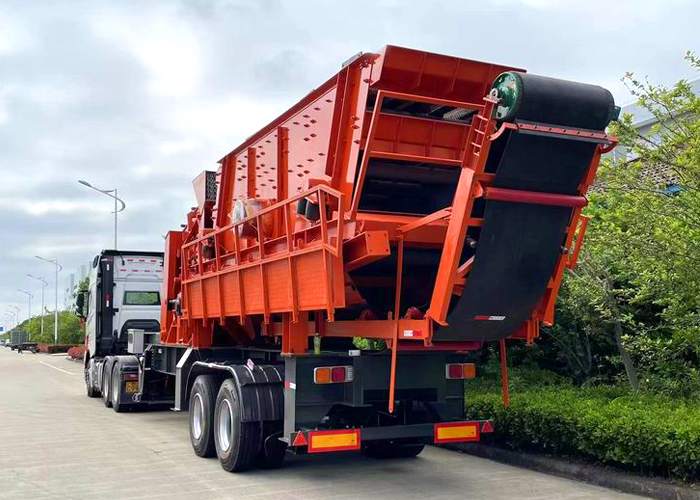
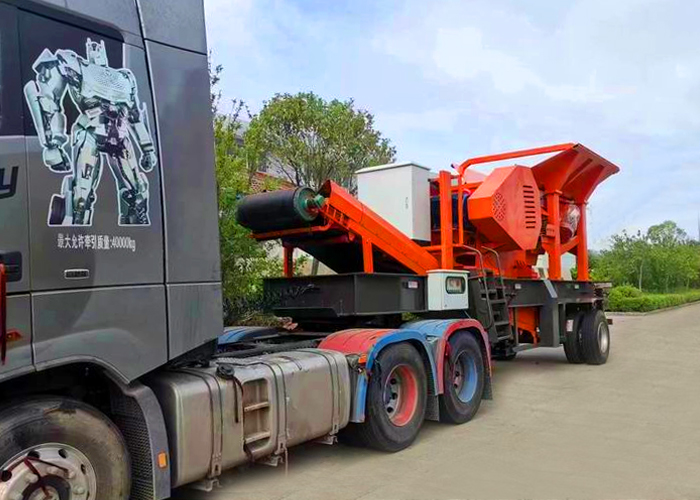
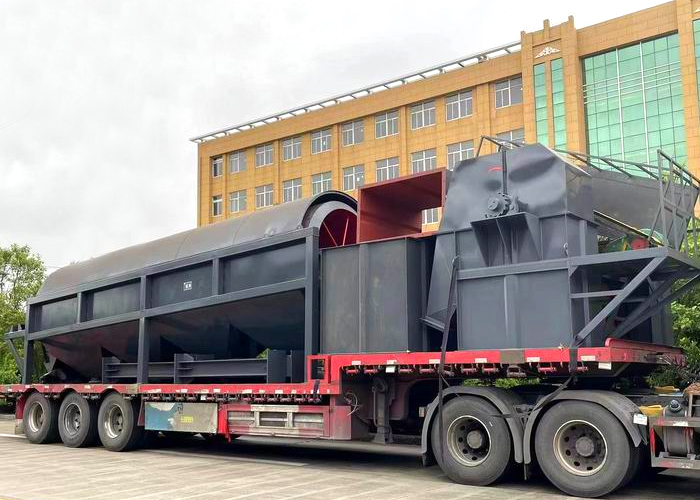
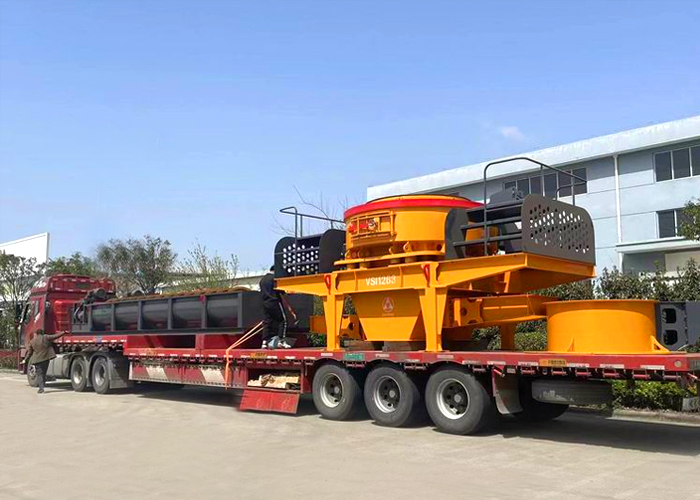
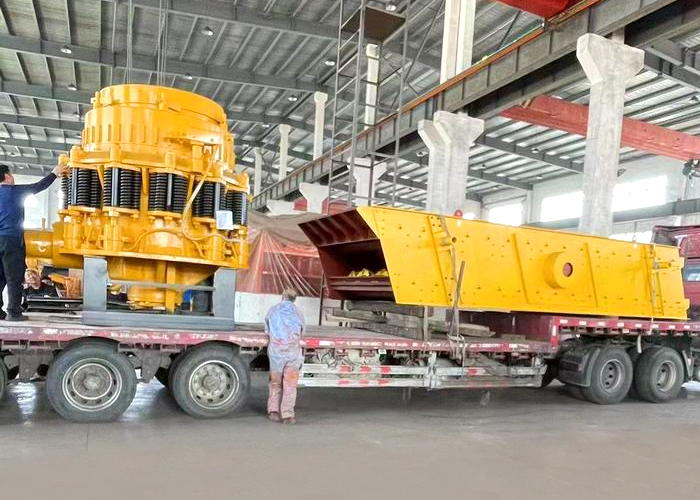
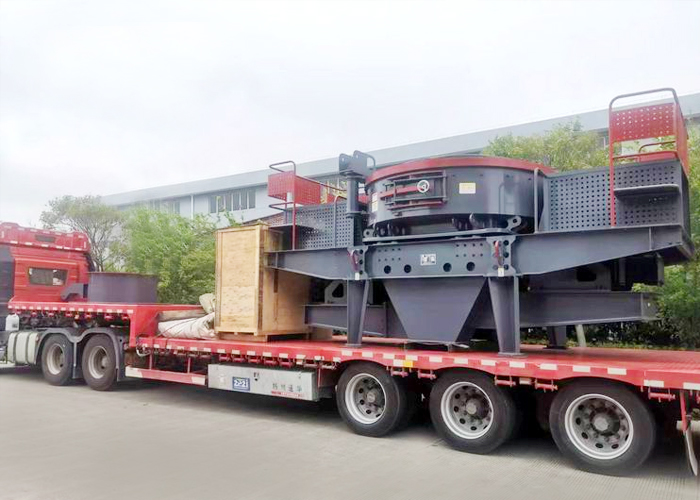
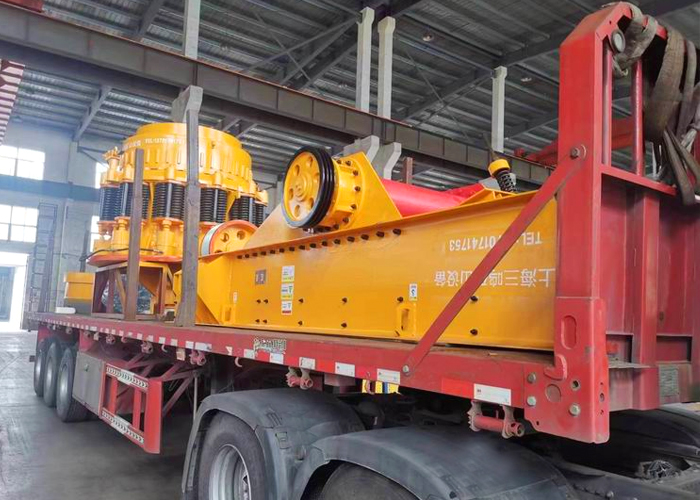
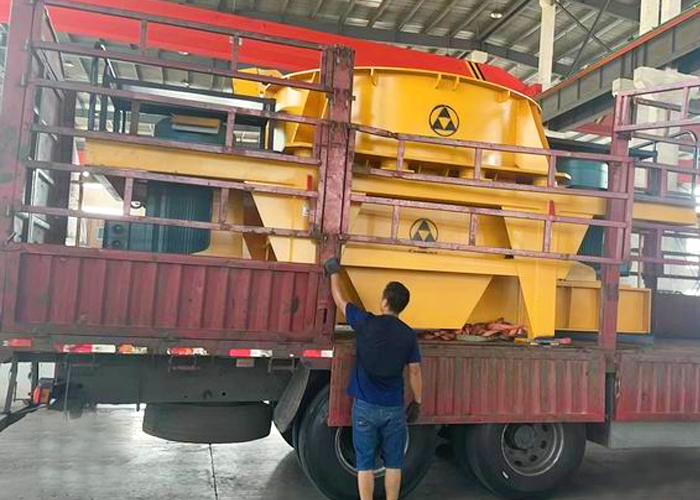
Hard Rock Crushing Cone Machine – Overview
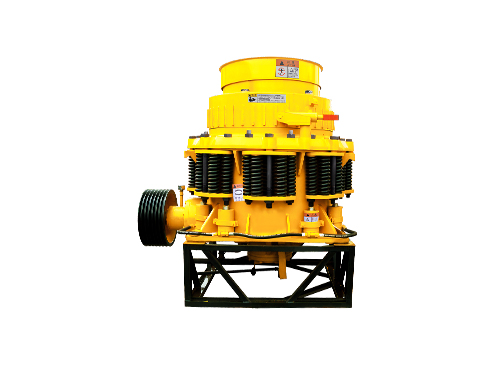
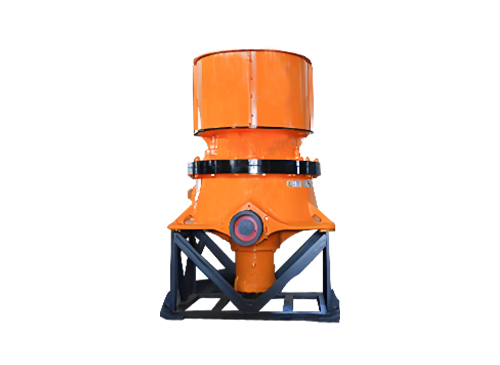
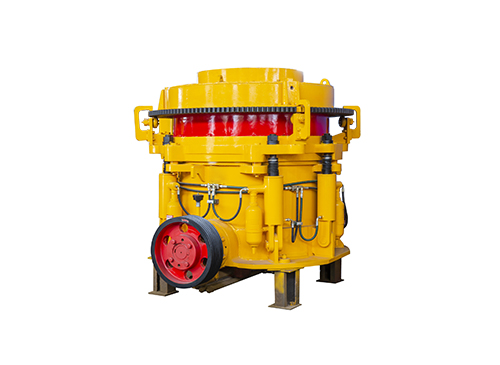
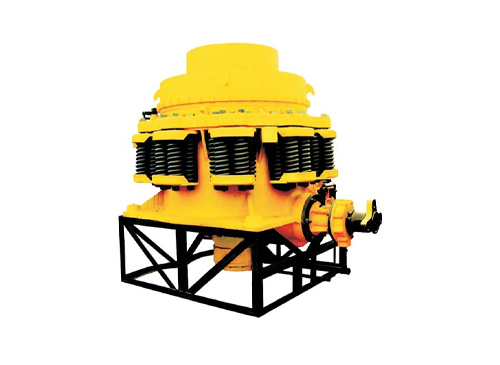
The SMC hard rock crushing cone machine is engineered specifically for the most abrasive and mechanically demanding materials — granite, basalt, quartzite, diabase, and hard metal ores — where standard cone crushers wear out liners and components far too quickly to be economical. Every major component, from the frame to the wear liners, is upgraded in this variant to withstand sustained high-stress crushing without sacrificing throughput.
The main frame and eccentric assembly are manufactured from a higher grade of alloy steel than standard models and subjected to extended heat treatment, increasing fatigue resistance under the repeated shock loading typical of extremely hard rock. The spherical main bearing is oversized relative to the machine's nominal capacity, giving it additional margin against the higher radial forces generated when crushing dense, hard material.
Wear liners are offered in high-chrome white iron as an alternative to standard manganese steel, providing substantially greater abrasion resistance for silica-rich rock such as quartzite and granite. Liner profiles are optimized to reduce point loading and spread crushing force more evenly across the cavity, extending service intervals even under continuous hard-rock duty.
The crushing chamber uses a reinforced cavity design with a steeper nip angle that improves the machine's grip on hard, angular rock, reducing the tendency for material to slip through without being properly crushed — a common cause of excessive liner wear in standard machines processing hard stone. This also improves energy efficiency, since less power is wasted on ineffective compression cycles.
A heavy-duty hydraulic or spring protection system (depending on the selected series) is calibrated for the higher forces generated by hard rock, with wider safety margins to avoid nuisance tripping while still protecting the machine from genuine overload events such as tramp iron or oversized boulders entering the chamber.
Cooling and lubrication capacity are also increased relative to standard models, since hard-rock crushing generates more frictional heat; larger oil coolers and higher-flow lubrication pumps keep bearing temperatures within safe limits even during long, high-load production campaigns in hot climates or continuous shift operation.
Typical applications include quarries producing high-strength railway ballast, premium concrete aggregate, and armor stone, as well as hard-rock metal mines where ore hardness and abrasiveness would otherwise cause excessive liner consumption on a standard-duty cone crusher.
For operations crushing consistently hard, abrasive stone, the SMC hard rock crushing cone machine reduces liner replacement frequency, lowers cost per ton, and maintains reliable throughput where a standard cone crusher would suffer from accelerated wear and unplanned downtime.
Frequently Asked Questions (FAQ)
1. What makes this crusher suitable for hard rock specifically?
It uses a reinforced frame, oversized bearing, steeper nip angle, and optional high-chrome liners, all upgraded from standard models to withstand the higher stress and abrasion of hard, silica-rich rock.
2. What is the benefit of high-chrome liners over manganese steel?
High-chrome white iron liners offer significantly better abrasion resistance on hard, abrasive rock such as granite and quartzite, though manganese steel remains a good option for tougher, less abrasive materials.
3. Why does the nip angle matter for hard rock?
A steeper nip angle grips hard, angular rock more effectively, reducing slippage through the chamber, which both improves crushing efficiency and reduces uneven liner wear.
4. How much longer do liners last compared to a standard crusher?
Liner life improvement varies with rock type, but high-chrome liners on abrasive silica-rich rock commonly outlast standard manganese liners by a significant margin.
5. Does crushing hard rock generate more heat?
Yes, hard-rock crushing generates more frictional heat, which is why this machine includes an enlarged cooler and higher-flow lubrication pump as standard.
6. Is the overload protection different from a standard crusher?
The protection system is recalibrated with wider margins for the higher forces generated by hard rock, reducing nuisance trips while still protecting against genuine overload events.
7. What rock types is this machine best suited for?
Granite, basalt, quartzite, diabase, and other high-hardness, high-silica rock types where standard crushers experience excessive liner wear.
8. Can this crusher still process medium-hardness material efficiently?
Yes, though its reinforced components are primarily an advantage for hard, abrasive rock; for consistently medium-hardness feed, a standard-duty model may be more cost-effective.
9. What is the recommended feed size for optimal performance?
Feed should be sized according to the model's rated feed opening; oversized boulders should be reduced by the primary crusher before reaching this machine.
10. How does bearing life compare to a standard crusher?
The oversized spherical bearing provides additional margin against the higher radial loads of hard-rock crushing, generally extending bearing service life under equivalent duty.
11. What maintenance interval is recommended for hard-rock service?
Daily temperature and liner checks, weekly inspection for chipping, and monthly oil analysis are recommended given the higher stress environment.
12. Is this crusher available in both spring and hydraulic versions?
Yes, the hard-rock reinforcement package is available across both spring and hydraulic cone crusher platforms, depending on your automation preference.
13. What causes premature liner chipping on hard rock?
Chipping is often caused by tramp metal, oversized feed, or an incorrect liner profile for the specific rock hardness; our engineers can help select the correct profile.
14. Does this crusher cost more than a standard model?
Yes, the reinforced components and upgraded materials increase upfront cost, but this is typically offset by reduced liner replacement frequency and less unplanned downtime.
15. What support is available for liner material selection?
Our engineers can review your specific rock hardness and abrasiveness data to recommend the optimal liner alloy and cavity profile.


 English
 русский