


 English
 русский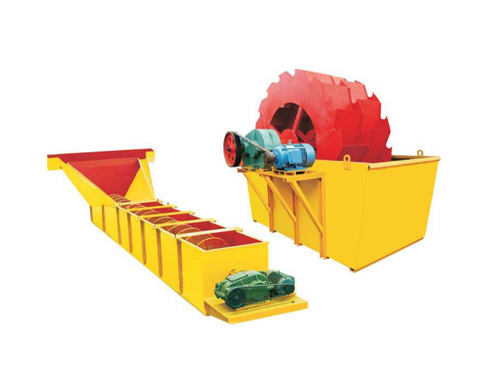
Put a jaw crusher and a cone crusher on the same granite deposit and both will break rock. Put them in the same slot of a flowsheet and one of them will fail the job. That is the practical answer behind the question "which is better, a cone crusher or a jaw crusher" — the comparison only becomes meaningful once you kn...
Mining Washing Equipment Manufacturers
About Us
Shanghai Sanming Mining Equipment Manufacturing CO., LTD.
Sanming is an international Mining Machinery Equipment Supplier that integrates R&D, Manufacturing, and Sales of Rock Crushing&Screening equipment, as well as Sand Making, Sand Washing, and Grinding equipment. Sanming has passed ISO9001 quality system certification.
As China Sand Washing Machine Manufacturers and OEM Mining Washing Equipment Suppliers, our equipments are widely used in the fields of Sand and Gravel Aggregate processing, Mining, and Construction Waste Resource utilization.
"Sanming" brand equipments are not only distributed in nearly 30 provinces in China, but also exported in large quantities to multiple countries in Central Asia, the Middle East, South America and Africa, and has received unanimous praise from users. Our main production base is located in Qidong (Shanghai Pudong New Area Industrial Park). We warmly welcome your visit to our factory.
News & Blogs
-
-
When a crushing plant is being planned or upgraded, the cone crusher usually appears near the top of the equipment list. It works in the secondary, tertiary and sometimes quaternary stage, turning coarse rock into the consistent fractions that the rest of the plant depends on. But a "cone crusher" is not a single mach...
-
Shanghai Sanming Mining Equipment Manufacturing Co., Ltd. has confirmed its participation in bauma CHINA 2026 — the International Trade Fair for Construction Machinery, Building Material Machines, Mining Machines and Construction Vehicles. As one of the most influential trade fairs in the engineering machinery industry...
Washing Equipment Industry knowledge
The Critical Role of High-Efficiency Mining Washing Equipment in Modern Mineral Processing
In heavy-duty industrial mineral and aggregate production, raw materials extracted from quarries and mines are rarely ready for immediate commercial utilization. Run-of-mine ores, natural river gravels, and manufactured sand are almost always contaminated with undesirable materials such as sticky plastic clay, soft silt, organic matter, and ultra-fine dust. The primary objective of heavy industrial processing is the definitive removal of these impurities, a task that relies heavily on specialized Mining Washing Equipment. Without proper mechanical scrubbing and washing, contaminated raw materials fail to meet international structural and metallurgical compliance criteria, resulting in reduced market value or project rejection.
From a mechanical standpoint, the science of material liberation involves breaking the cohesive bonds between clay matrices and valuable mineral fractions. Clay particles under 75 microns adhere stubbornly to rock faces, forming a sticky envelope that cushions impacts during subsequent reduction steps. High-efficiency Mining Washing Equipment forces these particles into a slurry state using controlled hydraulic pressure and continuous kinetic agitation, separating the unwanted fractions from the dense grain matrices.
Beyond final product cleanliness, integrated washing machinery serves as a critical defensive mechanism for downstream processing components. When unwashed, sticky feed material enters fine cone crushers, vertical shaft impactors (VSI), or dry sizing screens, the clay rapidly blinds screen openings and chokes crushing chambers. This causes material bridging, increased internal pressure, and accelerated mechanical fatigue. By incorporating robust washing systems directly into the circuit, operators significantly reduce component wear, eliminate unplanned blockages, and ensure stable, uninterrupted material flow through the entire plant.
From an economic perspective, high-purity output translates directly into compliance with global manufacturing standards, including ASTM C33 for concrete aggregates and EN 12620 for international construction materials. Industrial applications require strict limits on decantable fines—often less than 1% to 3% depending on the final structural application. Shanghai Sanming Mining Equipment Manufacturing CO., LTD., an international Mining Machinery Equipment Supplier that integrates R&D, Manufacturing, and Sales of Rock Crushing and Screening equipment, engineered its washing machinery arrays to address these specific constraints. By achieving stable mud-separation performance, operators can confidently command top-tier pricing for their end products across international trade infrastructure networks.
Technical Classification: Selecting the Right System for Your Material Profile
Selecting the ideal configuration within a washing circuit requires a precise understanding of the raw feed's particle size distribution, moisture characteristics, and total clay volume. Industrial washing methods are structurally divided into two main operational focuses: coarse material disintegration (handling larger fractions up to 100mm) and fine aggregate cleaning (typically targeting sands under 5mm). Balancing these mechanics with efficient water management systems determines the long-term operational costs and environmental footprints of modern mineral processing plants.
Rotary Scrubber and Trommel Washers
For highly contaminated ore matrices containing high levels of sticky, plastic clay, heavy-duty rotary scrubbers provide optimal pre-treatment capability. These units utilize a large, slowly rotating drum lined with internal lifters. As the drum rotates, the material is lifted and dropped back into a concentrated water pool, generating severe material-to-material impacts that break down tough clay clumps.
When integrated with an extended trommel screen section at the discharge end, these systems achieve simultaneous clay scrubbing and coarse classification. This setup is highly effective for preparing low-grade iron ore, bauxite deposits, and alluvial gold-bearing gravels prior to final concentration stages.
Log Washers and Blade Mills
When dealing with exceptionally tough, insoluble clays or cemented conglomerates that resist standard tumbling action, dual-shaft log washers are the industry standard choice. These machines feature twin parallel shafts outfitted with high-alloy steel paddles arranged in a continuous spiral pattern.
As the shafts rotate toward each other inside an inclined tub, the paddles cut through the material bed, lifting, squeezing, and scouring the rock fractions under immense pressure. This intensive mechanical attrition strips away stubborn clay jackets from tough stone surfaces far more aggressively than standard rotary drums, making log washers essential for processing highly contaminated limestone, granite, and metallurgical ores.
Sand Washing Machine: Engineering High-Purity Aggregates
For high-capacity fine aggregate production, processing plants rely heavily on specialized Sand Washing Machine designs to wash, classify, and dewater natural or manufactured sand fractions under 5mm. As a key category within modern mineral processing, a properly configured Sand Washing Machine ensures that the final product meets strict engineering specifications for structural concrete and asphalt mixes.
Wheel-Type (Bucket) Sand Washing Machine
The wheel-type Sand Washing Machine is highly regarded for its efficient water use and low wear characteristics. It features a large, rotating impeller wheel equipped with perforated screen buckets that pass slowly through a shallow settling tank filled with slurry.
As the wheel turns, the buckets scoop up the washed sand grains while leaving silt and wastewater to overflow into the discharge weir. Because the drive system and bearing assembly are isolated from the water and grit, this design provides outstanding wear life and minimal maintenance requirements.
Screw-Type (Spiral) Sand Washing Machine
For raw materials containing high percentages of silt and ultra-fine dust, the screw-type Sand Washing Machine provides a longer, more intensive washing cycle. This machine utilizes one or two parallel spirals to continuously push sand up an inclined trough against a counter-current flow of clean washing water.
As the material travels up the incline, it undergoes continuous agitation and friction, which strips away surface impurities. The extended length of the screw trough provides a longer retention time, ensuring thorough cleaning of high-silt feeds before the sand reaches the upper discharge chute.
Hydrocyclone and Dewatering Screen Systems
Standard sand washing configurations can sometimes lose valuable fine sand fractions (0.075mm to 0.16mm) over the wastewater weir, which can alter the final sand grading and fill up tailing ponds prematurely. To solve this problem, modern systems integrate a fine sand recovery unit consisting of a slurry pump, hydrocyclone separator, and high-frequency dewatering screen.
The wastewater slurry is pumped into the hydrocyclone, where centrifugal forces separate the fine sand grains from the silt. These recovered fines are then dropped onto a high-frequency vibrating dewatering screen, which removes excess moisture via intense linear vibrations, delivering a dry, balanced final sand blend. To meet these varied demands, Shanghai Sanming Mining Equipment Manufacturing CO., LTD. incorporates these advanced Sand Washing Machine variations and fine recovery systems into its standard product lines. This comprehensive approach allows operators to customize their circuits based on exact deposit profiles, maximizing yield while minimizing fine aggregate loss.
Industrial Washing Technology Comparison
| Equipment Category | Primary Target Size | Maximum Clay/Silt Intake | Mechanical Principle | Water Consumption Ratio |
| Rotary Scrubber | 10mm - 100mm | High (20% - 40%) | Autogenous tumbling and attrition | High (2:1 - 3:1) |
| Log Washer | 5mm - 75mm | Extreme (30% - 50%) | Mechanical paddle shearing | Medium (1.5:1 - 2:1) |
| Wheel Sand Washer | 0mm - 5mm | Low to Medium (5% - 12%) | Impeller scooping and gravity drain | Low (1:1 - 1.2:1) |
| Screw Sand Washer | 0mm - 5mm | High (10% - 25%) | Spiral axial transport and counter-flow | Medium (1.5:1 - 2.5:1) |
Engineering Excellence and Core Technical Parameters of Premium Mining Washing Equipment
Building high-performance Mining Washing Equipment requires robust structural engineering to withstand the demanding conditions of aggregate and ore processing. Shanghai Sanming Mining Equipment Manufacturing CO., LTD. focuses on these heavy-duty industrial requirements at its primary production base located in Qidong (Shanghai Pudong New Area Industrial Park). Operating under strict ISO9001 quality system certification guidelines, the facility emphasizes high-grade material selection, precise machining tolerances, and specialized component protection to ensure long-term reliability in aggressive slurry environments.
The construction of these machines begins with the main structural frame and tub assemblies. High-tensile structural steel plates, typically 12mm to 20mm thick Q235B or Q345B grade carbon steel, are used to prevent structural flexing under maximum material loads. After welding, the complete frame components undergo thermal stress relief to eliminate residual internal weld stresses, preventing cracking or structural shifting during continuous, multi-shift operation.
Component protection is equally critical when processing highly abrasive materials like silica sand or hard granite. Wear-exposed sections, such as spiral screw flights and bucket lips, are lined with high-manganese steel alloys (Mn13 or Mn18) or heavy-duty polyurethane (PU) wear plates. Synthetic polyurethane screen plates last significantly longer than traditional woven wire mesh when handling abrasive slurries, providing high impact resistance and reduced blinding.
| Wear Protection Material Type | Average Lifespan (Operating Hours) | Primary Advantage | Best Application Environment |
| Standard Carbon Steel | 800 - 1,200 | Low initial material cost | Non-abrasive, low-silt aggregates |
| High-Manganese Alloy (Mn13/Mn18) | 3,000 - 4,500 | Excellent high-impact structural resistance | Coarse gravel, large metallurgical ores |
| Premium Polyurethane (PU) | 7,000 - 9,000+ | Exceptional sliding abrasion resistance, zero blinding | Fine silica sand, high-frequency dewatering screens |
The mechanical drive train is engineered to deliver high starting torque and consistent performance under full load. Power is transferred through high-efficiency electric motors linked to heavy-duty planetary or helical reducers, which generate the high torque needed to turn submerged shafts through dense material beds. Shaft support is managed by premium, self-aligning spherical roller bearings housed in external outboard assemblies. These housings feature multi-stage labyrinth grease seals and mechanical packing rings that isolate the bearings from water and abrasive slurry, preventing premature bearing failure and maintaining continuous operational uptime.
Industrial Applications Across Global Sectors
The versatile performance of modern washing machinery is essential across a wide range of global industrial fields, including sand and gravel aggregate processing, mining, and construction waste resource utilization. Each application presents unique material challenges, requiring tailored equipment configurations to achieve the required material purity and technical standards.
In the aggregate and infrastructure production sector, high-quality washing is critical for manufacturing premium concrete and asphalt sand used in large-scale projects like high-speed rail lines, highway systems, and commercial skyscraper foundations. Natural river sand and manufactured crushed sand often contain excess clay and silt that can weaken concrete bonding if left uncleaned. Using a wheel or screw Sand Washing Machine clears these fine impurities away, optimizing the sand's fineness modulus and ensuring excellent structural integrity in final concrete mixes.
In the metallurgical ore beneficiation sector, heavy-duty washing equipment serves as a vital pre-concentration phase for mineral processing. Ores like iron, copper, gold, and manganese are often bound within sticky, argillaceous matrices that can interfere with magnetic or flotation separation systems. Passing the run-of-mine ore through rotary scrubbers and log washers strips away this barren clay layer. This process upgrades the base metal grade before the material reaches the mills, lowering overall processing energy costs and maximizing total mineral recovery.
In environmental recycling and construction waste utilization, washing systems are widely used to reclaim value from demolition debris and excavated soils. This processing removes fine contaminants, soot, and light debris from crushed brick and concrete fractions. The washed, recovered aggregates can then be repurposed for fresh concrete production, road base filler, and structural mortars, turning construction waste into valuable resources and supporting sustainable building initiatives worldwide.
"Sanming" brand equipments are engineered to meet these precise requirements across all three major sectors. Because these systems are built to handle tough, real-world field conditions, they are not only distributed in nearly 30 provinces in China, but also exported in large quantities to multiple countries in Central Asia, the Middle East, South America, and Africa. This widespread global deployment highlights the machinery's ability to adapt to varying geological deposits, from dry desert sands to wet alluvial gold fields, and it has received unanimous praise from users for maintaining high throughput and reliable purity across international trade markets.
Industrial Maintenance and Operational Stability Optimization
To ensure a long service life and consistent throughput from Mining Washing Equipment, operators must implement structured preventative maintenance programs and optimize key operational variables. Because these machines run continuously in wet, highly abrasive environments, minor component wear or incorrect adjustments can quickly lead to reduced washing efficiency or unexpected mechanical downtime.
Regular Inspection Checklist
Weekly Wear Monitoring: Inspect the bucket screen plates of wheel washers or the leading flights of screw washers for thinning or local pitting. Replace modular polyurethane elements before the underlying steel structure is exposed.
Daily Bearing Lubrication: Supply high-grade, water-resistant lithium complex grease to the main shaft bearing housings. Maintain positive internal pressure within the seal cavities to push out any entering grit.
Monthly Chute Inspection: Check internal wear liners at feed inlets and discharge chutes, replacing worn sections to protect the main structural frame.
Weekly Nozzle Calibration: For systems using high-pressure spray manifolds, clear blocked nozzles and adjust spray angles to maintain uniform water distribution across the material bed.
Optimizing the water-to-solid ratio within the washing chamber is critical for balanced performance. If the slurry density is too high (above 40% to 45% solids by weight), the water becomes thick with suspended mud, reducing its ability to thoroughly clean the material. Conversely, if the density is too low (below 15% to 20%), the material passes through the machine too quickly, resulting in incomplete washing and excessive water use. Operators should maintain a stable slurry density—typically between 25% and 35% solids—to achieve excellent clay separation while keeping water consumption efficient.
| Slurry Density Range (By Weight) | Operational Effect | Washing Efficiency | Equipment Wear Rate |
| Low (15% - 20% Solids) | Material passes too quickly; high water waste | Poor (Insufficient retention time) | High local impact wear |
| Optimal (25% - 35% Solids) | Balanced material friction and clean water action | Excellent (Complete clay liberation) | Normal / Distributed evenly |
| High (40% - 45% Solids) | Slurry turns thick and muddy; screens blind easily | Poor (Re-deposition of silt) | High torque strain on drive |
For international operations managing large-scale infrastructure projects, achieving this level of operational stability requires accessible technical support and readily available wear parts. Shanghai Sanming Mining Equipment Manufacturing CO., LTD. supports its global clients by providing detailed maintenance documentation and customized wear-part kits for various mineral processing setups. By matching proper plant operation with robust engineering, operators can maintain low cost-per-ton production metrics while ensuring continuous, long-term equipment uptime in any processing environment.
Industrial Buyer's Guide and Technical FAQs
Q1: How do I choose between a wheel-type and a screw-type Sand Washing Machine?
Choosing the right machine depends on the silt and clay content of your raw material, along with your project's water and power constraints. Wheel-type sand washers are highly efficient, featuring a simple structure with low power requirements and minimal water consumption. Because the bucket design minimizes fine sand loss, they are ideal for natural river sands and materials with a low clay fraction (under 10%).
Screw-type sand washers, on the other hand, feature an extended processing trough that provides longer retention times and intensive material friction. This makes them much more effective at scrubbing manufactured sand or heavily contaminated deposits with silt contents up to 15% to 25%.
Q2: What is the typical water consumption standard for industrial Mining Washing Equipment?
Standard water requirements generally range from 1:1 to 3:1 water-to-solids by weight, depending on the equipment type and feed characteristics:
Wheel-Type Sand Washers: Operate efficiently at lower ratios, typically between 1:1 and 1.5:1.
Screw-Type Sand Washers: Require higher volumes, usually between 1.5:1 and 2.5:1, to maintain consistent counter-current cleaning action.
Heavy-Duty Rotary Scrubbers: Processing dense, sticky clay matrices may require water-to-solid ratios up to 3:1 to fully break down and liquefy the clay clumps.
Q3: How does a fine sand recovery loop improve plant profitability?
Traditional sand washing configurations can lose a significant amount of fine sand particles (0.075mm to 0.16mm) through the settling tank's overflow weir—often amounting to 10% to 15% of total sand volume. This loss alters the final sand grading, reducing concrete strength, and increases the need for frequent settling pond dredging.
Integrating a fine sand recovery loop captures these overflow fines using a hydrocyclone and returns them to the main product stream. This directly increases total plant output by volume, creates a more balanced final sand gradation, and lowers pond maintenance costs.
Q4: What equipment adaptations are recommended when processing highly abrasive silica sand?
When processing highly abrasive materials like high-quartz silica sand, standard steel components require extra wear protection. Traditional steel screen plates should be replaced with modular polyurethane (PU) screen panels, which offer excellent abrasion resistance and a longer service life.
Additionally, the inner surfaces of the washing tub, impeller buckets, and transfer chutes should be lined with thick natural rubber or high-chromium alloy liners to protect the main steel frame from premature wear.
Q5: How can global buyers evaluate factory reliability and equipment export quality?
When purchasing equipment for international projects, buyers should focus on certified quality standards and established manufacturing experience. Choosing a supplier with ISO9001 quality system certification ensures consistent manufacturing tolerances and rigorous component testing.
Equipment from the "Sanming" brand is used across nearly 30 provinces in China and exported to multiple countries in Central Asia, the Middle East, South America, and Africa. To verify a supplier's production capabilities, engineering standards, and technical setup, buyers are encouraged to visit Shanghai Sanming Mining Equipment Manufacturing CO., LTD. at its primary production base located in Qidong (Shanghai Pudong New Area Industrial Park). This allows for a firsthand look at the facility's heavy fabrication assets, automated welding equipment, and quality control systems before finalizing an equipment investment.
Contact Us
Contact Us .
-

-

+ 86 - 15221838076
+ 86 - 18817756097
-

+ 86 - 021-38682089
-

No.18 Jiangzhou Road, Qidong (Pudong Industrial Park), Nantong City, Jiangsu Province, China
Product Categories .
-
0
Factory Area
-
0+
Number Of Products
