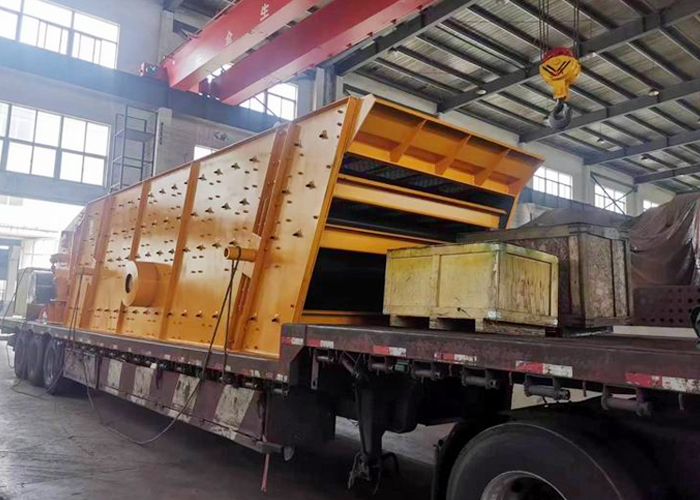
Heavy Duty Diesel Jaw Crusher – Overview
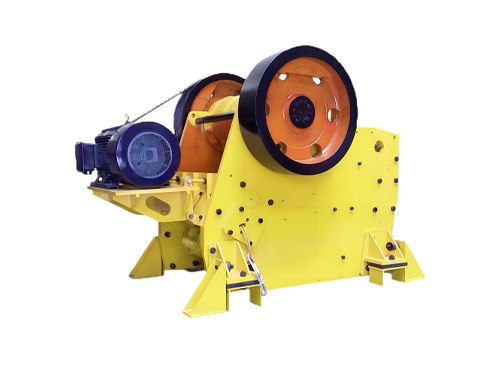
The SMC heavy duty diesel jaw crusher is built for sites where grid electricity is unavailable, unreliable, or impractical to run — remote quarries, road construction projects, disaster recovery sites, and early-stage mine developments. A diesel engine replaces the electric motor as the primary power source, giving the crusher complete independence from external power infrastructure.
The crusher can be configured with a direct diesel drive, where the engine turns the flywheel through a clutch and belt system, or a diesel-hydraulic drive, where the engine powers a hydraulic pump that in turn drives the crusher — the latter offering smoother torque delivery and easier integration with auxiliary hydraulic functions such as a hydraulic adjustment wedge or folding hopper.
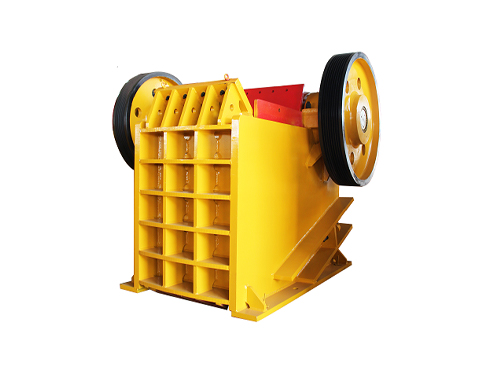
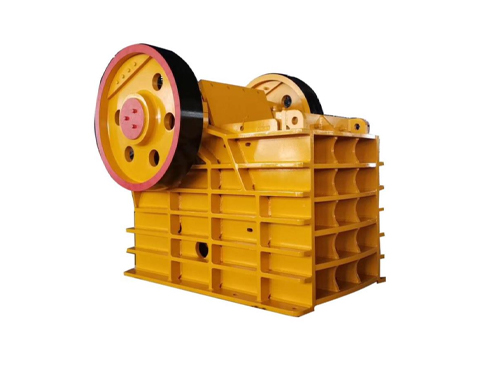
Beyond the power source, the machine retains the heavy-duty jaw crushing mechanism common to SMC's jaw crusher range: a large flywheel for energy storage, high-manganese corrugated jaw plates, and a toggle plate safety system that protects the drivetrain from tramp metal, ensuring the same crushing reliability regardless of how the machine is powered.
The diesel engine is selected and matched to the crusher's power requirements with a fuel-efficient operating point in mind, since fuel cost is a direct operating expense at remote sites where grid power is not an option. Engine speed and load are monitored to keep the unit running efficiently across variable feed conditions rather than at a fixed high-throttle setting.
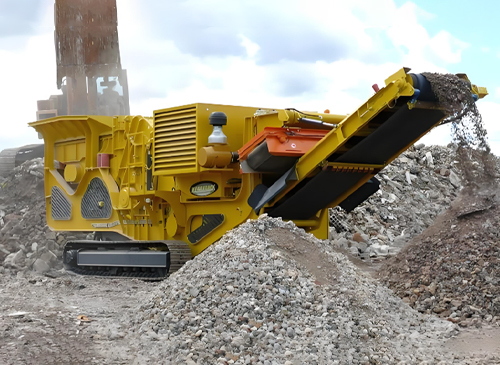
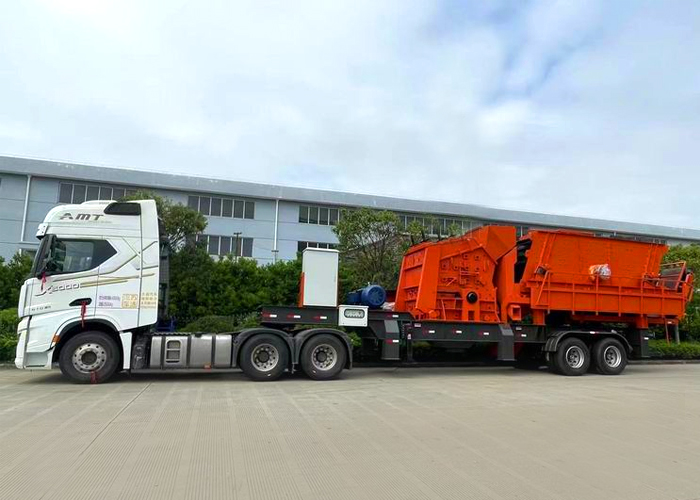
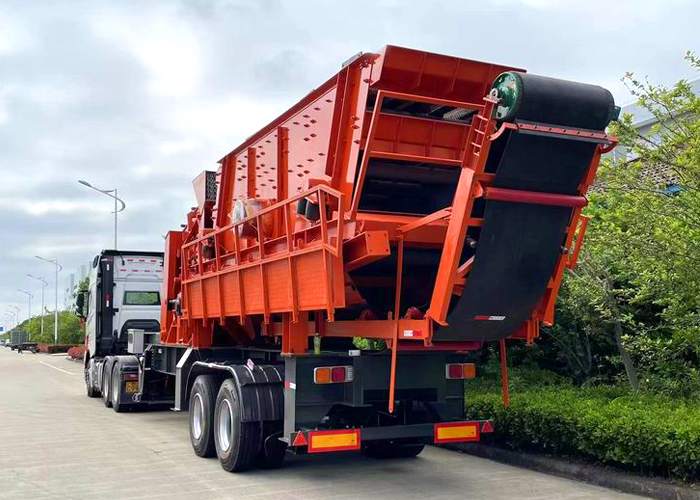
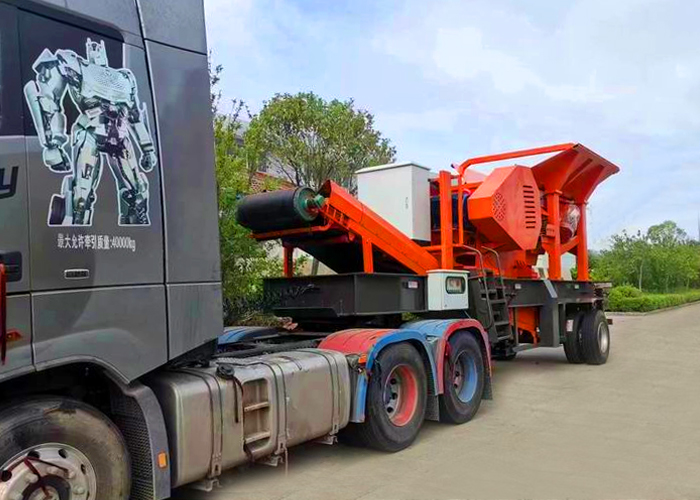
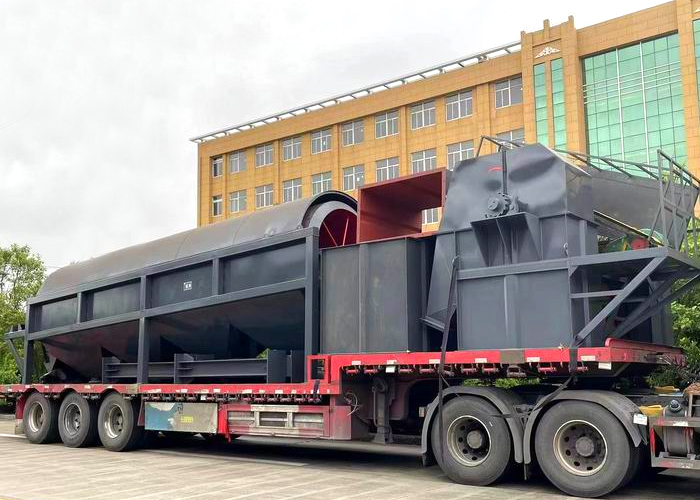
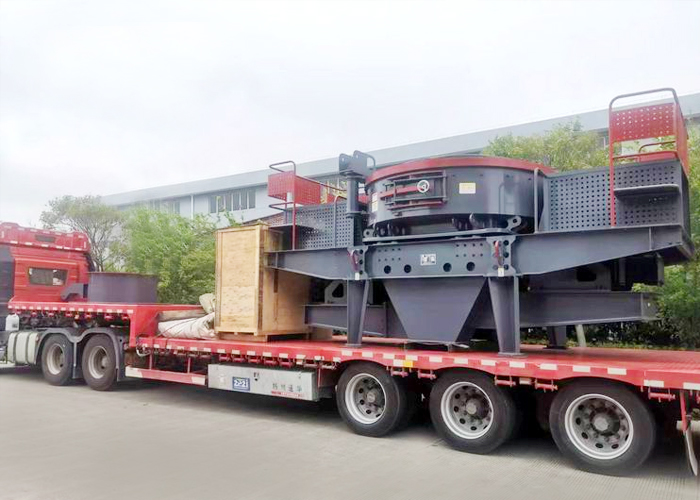
Because many diesel jaw crusher applications are inherently temporary or remote, the machine is commonly mounted on a skid frame or integrated into a wheeled or track-mounted chassis, allowing it to be transported by truck or towed between sites without requiring a fixed power connection at the new location.
A fuel tank sized for extended operation reduces the frequency of refueling trips to remote sites, and engine protection systems including low-oil-pressure shutdown, high-temperature shutdown, and a standard emergency stop protect the diesel power unit from damage during unattended or lightly supervised operation.
Typical applications include remote road-building projects, small to mid-size quarries without grid connection, disaster and emergency debris processing, and exploratory mining operations where a permanent electrical supply has not yet been established.
For projects where reliable power at a remote or temporary site is the deciding factor, the SMC heavy duty diesel jaw crusher delivers the same rugged crushing performance as SMC's electric models while removing dependence on grid infrastructure entirely.
Frequently Asked Questions (FAQ)
1. Why choose a diesel jaw crusher over an electric one?
A diesel jaw crusher operates independently of grid electricity, making it the practical choice for remote quarries, road projects, and sites where running power lines is impractical or too costly.
2. What drive configurations are available?
The crusher can be configured with a direct clutch-and-belt drive from the engine to the flywheel, or a diesel-hydraulic drive for smoother torque delivery and easier integration with hydraulic accessories.
3. How much fuel does the crusher consume?
Fuel consumption depends on the model, feed hardness, and load factor; our engineers can provide estimated consumption figures based on your specific application and duty cycle.
4. Can the crusher run continuously without refueling?
The fuel tank is sized for extended operation to reduce refueling frequency, but exact run time between fills depends on the model and load conditions.
5. Does the diesel engine require different maintenance than the crusher itself?
Yes, the diesel engine follows its own manufacturer service schedule for oil, filters, and coolant, separate from the crusher's jaw plate and bearing maintenance.
6. Is the crushing performance different from an electric model?
No, the jaw crushing mechanism, plates, and toggle protection are the same as SMC's electric jaw crushers; only the power source differs.
7. Can this crusher be mounted on a mobile chassis?
Yes, it is commonly mounted on a skid frame or integrated into a wheeled or track-mounted chassis for easy transport between remote sites.
8. What happens if the engine overheats?
The engine protection system automatically shuts down the unit on high coolant temperature or low oil pressure to prevent damage.
9. Is a diesel-hydraulic drive better than a direct drive?
Diesel-hydraulic drives offer smoother torque delivery and simplify adding hydraulic accessories, while direct drives are mechanically simpler and typically less expensive.
10. What environmental factors affect diesel crusher performance?
High altitude, extreme temperatures, and fuel quality can all affect engine performance; consult local specifications when selecting the engine configuration.
11. How is the crusher started in cold conditions?
Cold-start procedures depend on the engine model and may include glow plugs or block heaters for reliable starting in low temperatures.
12. What emissions standards does the engine meet?
Engine emissions compliance varies by region and model; please specify your local emissions requirements when ordering.
13. Can I switch this crusher to electric power later?
Some chassis configurations allow for a later conversion to electric drive, but this should be discussed with our engineers during initial specification.
14. What safety features does the diesel unit include?
Emergency stop, flywheel guarding, and engine protection shutdowns are standard, in addition to the toggle plate safety system.
15. What warranty applies to the diesel engine?
The diesel engine typically carries its own warranty from the engine manufacturer, separate from SMC's warranty on the crusher structure and wear parts.
16. Do you provide operator training for diesel units?
Yes, training covers both crusher operation and basic diesel engine care to keep the unit running reliably at remote sites.


 English
 русский