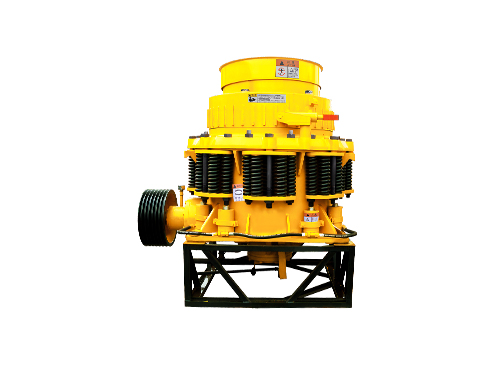
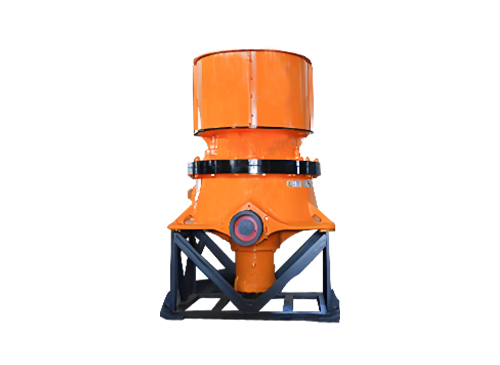
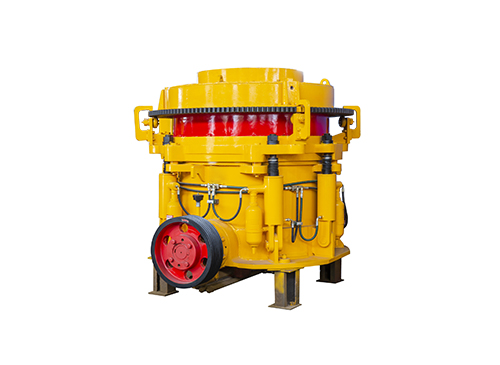
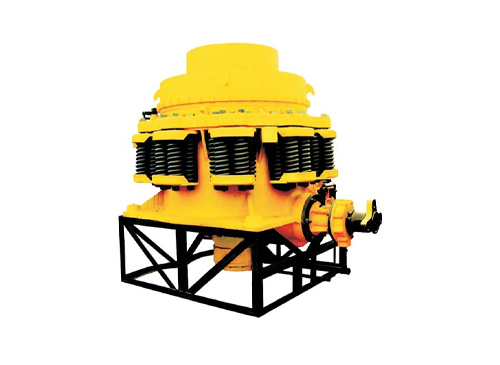
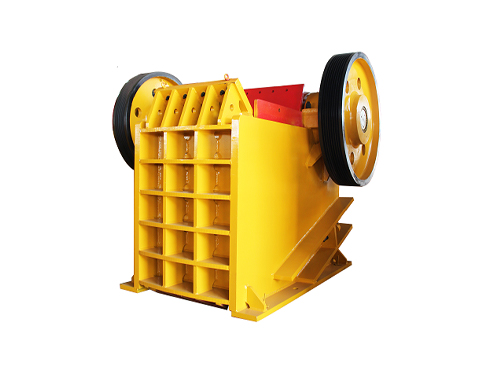
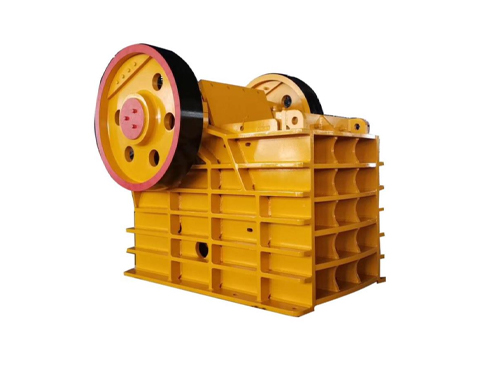
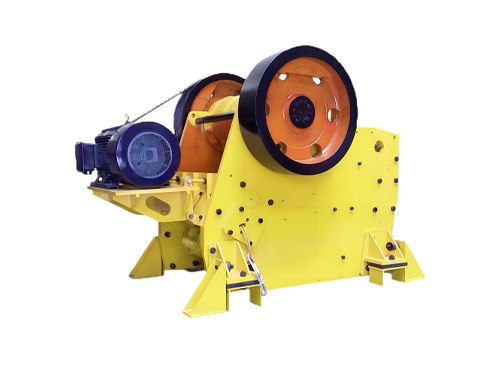
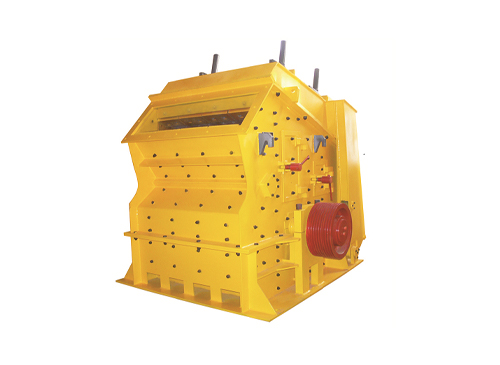
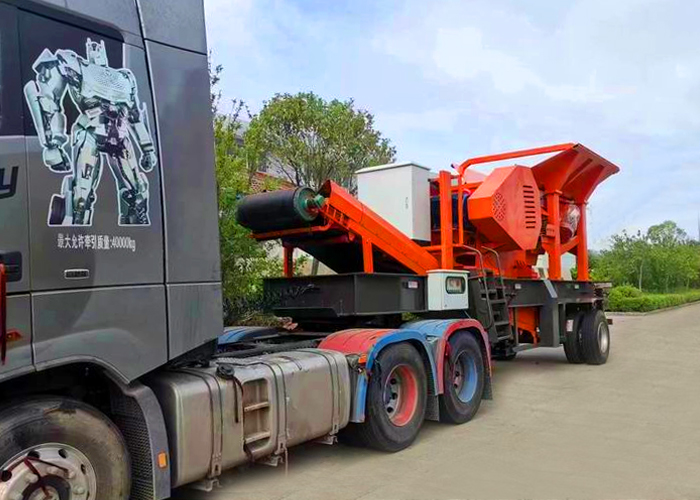
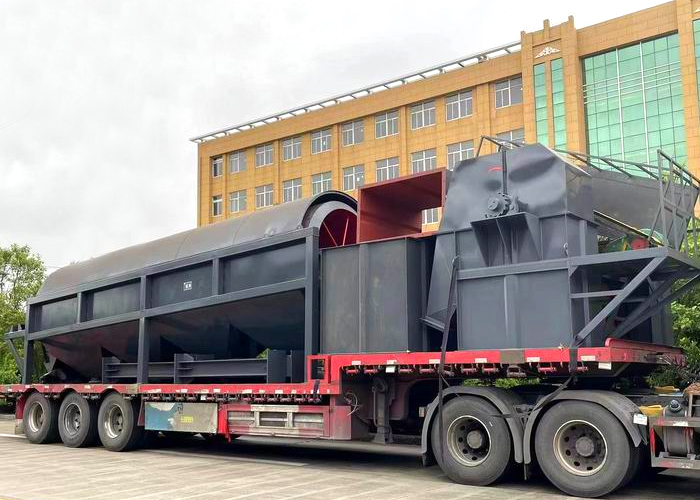
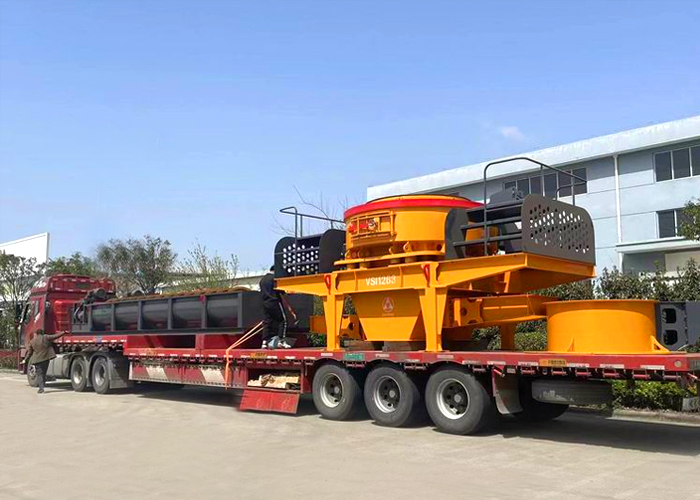
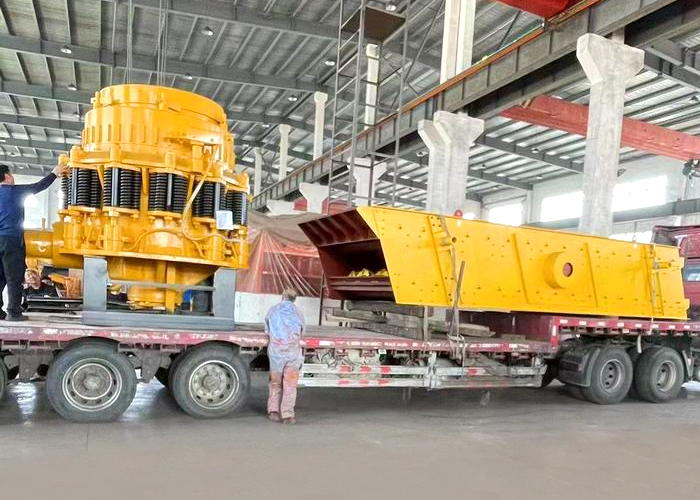
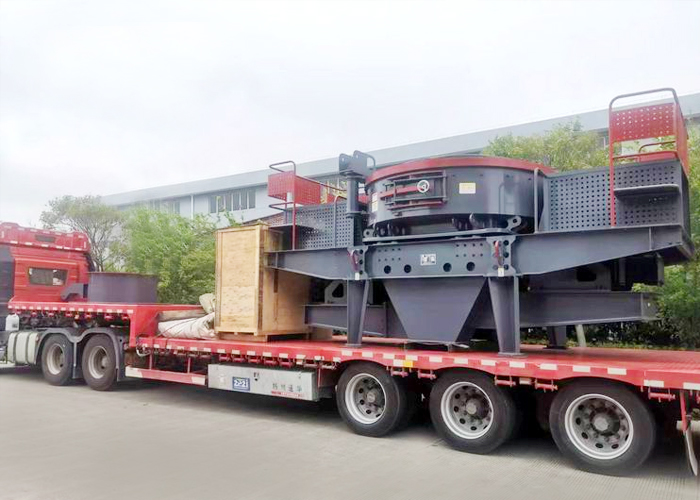
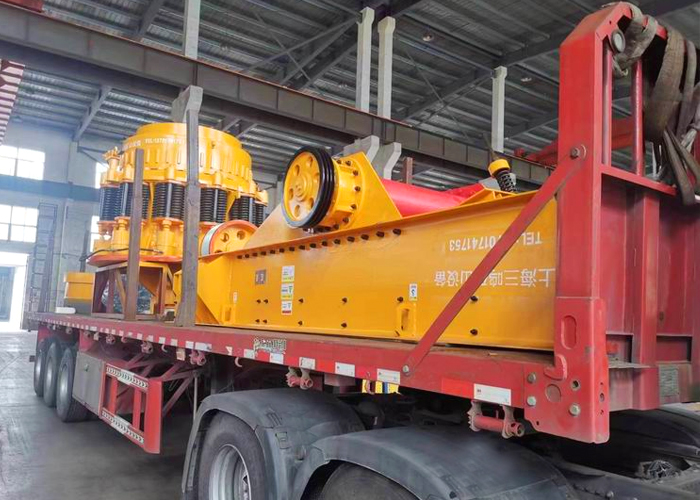
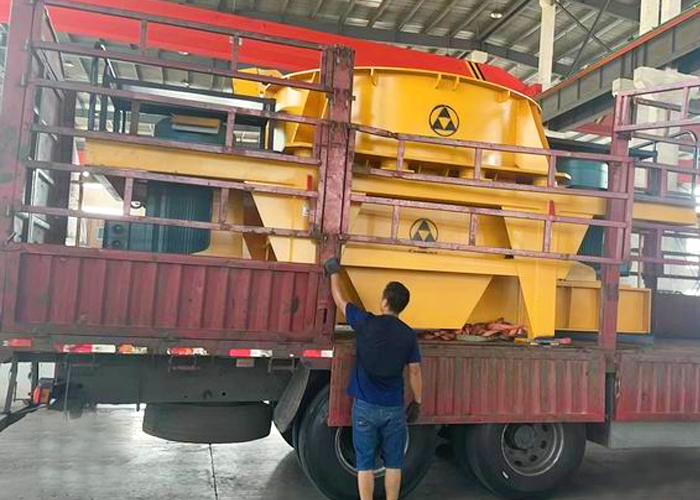
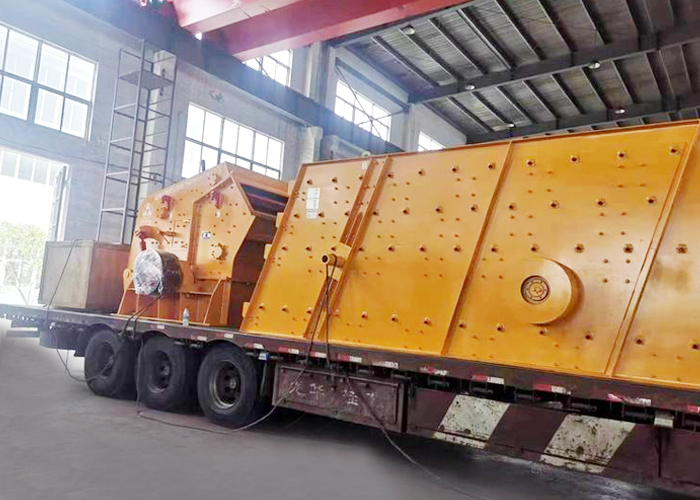
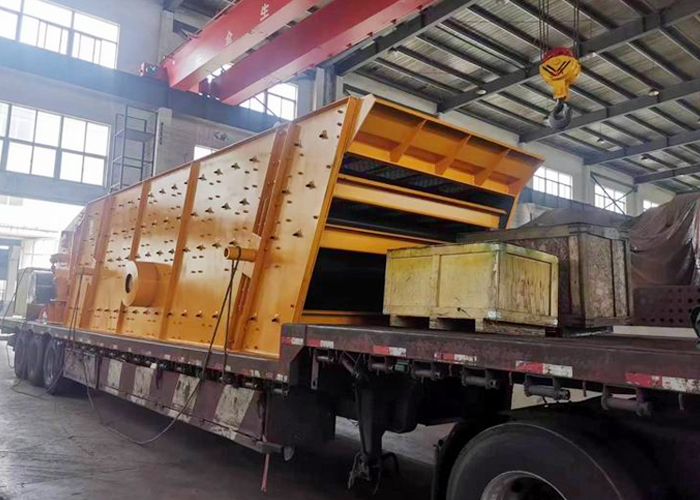
Large Capacity Stone Jaw Crusher – Overview
The SMC large capacity stone jaw crusher is engineered specifically to maximize throughput per hour for large-scale quarrying and mining operations, where processing volume is the dominant factor in overall project economics. Wider jaw plates, a larger feed opening relative to comparable models, and a high-inertia flywheel combine to move significantly more stone through the crushing chamber per hour.
The wide-jaw chamber is the defining feature of this model: rather than simply scaling up chamber depth, the jaw plate width is extended to increase the effective crushing area, allowing a broader stream of material to be processed simultaneously rather than relying solely on faster cycle speed. This reduces the risk of bottlenecking at the primary stage even when feeding from multiple loading points.
A high-inertia flywheel system, larger than that of standard-capacity models, maintains consistent crushing force across a continuous, high-volume feed stream, preventing the speed drop that can occur on smaller flywheels when large volumes of hard stone are fed at a steady rate rather than intermittently.
The feeder interface is designed for high-volume material handling, with a wide hopper opening and reinforced feed plates that tolerate the impact of large volumes of stone being dumped in rapid succession by large excavators, wheel loaders, or haul trucks feeding directly into the crusher.
Drive components — motor, belts, bearings, and the eccentric shaft — are all sized with a margin above the nominal capacity rating, ensuring the machine can sustain peak throughput during high-demand periods without operating at the edge of its mechanical limits, which extends component life under sustained heavy use.
Discharge is engineered for high-volume material flow, with a wide discharge opening and conveyor interface sized to match the crusher's elevated throughput, avoiding the material pile-up at the discharge point that can otherwise limit a high-capacity crusher's effective output.
Typical applications include large aggregate quarries, major infrastructure projects, and mining operations where daily production targets are measured in the tens of thousands of tons, and where even small improvements in hourly throughput translate into substantial gains in overall project output.
For operations where maximizing tons-per-hour is the primary design driver, the SMC large capacity stone jaw crusher provides the wide crushing chamber, high-inertia flywheel, and reinforced feed and discharge systems needed to keep pace with large-scale production demands.
Frequently Asked Questions (FAQ)
1. How does this crusher achieve higher throughput than standard models?
It combines a wider jaw plate for greater effective crushing area, a larger high-inertia flywheel, and a reinforced high-volume feed and discharge system, all working together to increase tons-per-hour output.
2. What size operations is this crusher designed for?
It is designed for large aggregate quarries, major infrastructure projects, and large-scale mining operations with daily production targets in the tens of thousands of tons.
3. Can multiple trucks feed the crusher simultaneously?
Yes, the wide, reinforced hopper is designed to handle rapid, high-volume dumping from multiple haul trucks or loaders without bottlenecking.
4. Does higher capacity mean the crusher wears out faster?
Not necessarily — drive components are sized with a margin above nominal capacity specifically to sustain high throughput without operating at the edge of mechanical limits, supporting normal wear rates.
5. What foundation size is required?
A larger reinforced concrete foundation is required compared to standard-capacity models, sized for both the machine's mass and the higher dynamic loads of continuous high-volume operation.
6. How does discharge capacity keep up with the higher crushing rate?
A wider discharge opening and a conveyor sized to match the crusher's elevated output prevent material pile-up that would otherwise limit effective throughput.
7. What jaw plate wear rate should I expect at high throughput?
Wear rate depends on rock hardness and volume processed; at high throughput we recommend more frequent inspection to maintain consistent product size and catch uneven wear early.
8. Is this crusher available in a mobile configuration?
Large capacity models are primarily designed for stationary installations, though select models can be configured for heavy-duty mobile or semi-mobile plants.
9. How much power does the large capacity model require?
Motor power ranges from 160 to 400 kW depending on the model, sized to match the higher throughput and larger jaw plate area.
10. What is the typical feed size for this crusher family?
Feed opening ranges up to 1200 mm, allowing large-scale operations to feed sizable boulders directly without excessive pre-screening.
11. Can this crusher be paired with multiple secondary crushers?
Yes, large capacity primary crushers commonly feed two or more secondary crushing lines in parallel to match the higher primary throughput.
12. What is the benefit of a wider chamber versus a faster cycle speed?
A wider chamber increases the volume of material engaged per crushing cycle, which is generally more efficient and less stressful on components than simply increasing cycle speed.
13. How is throughput monitored on this model?
Throughput can be monitored via load sensors and integrated into the plant control system to track actual tons-per-hour against production targets.
14. What safety considerations apply to high-volume feeding?
Reinforced feed plates, clear operator sightlines, and interlocks with the feeder system help manage the risks associated with rapid, high-volume material dumping.
15. What warranty applies to large capacity models?
A standard 12-month warranty covers manufacturing defects, with extended coverage available for the flywheel, shaft, and drive system.
16. Do you provide throughput sizing assistance?
Yes, our engineers can review your daily production targets and feed characteristics to recommend the correct large-capacity model.


 English
 русский