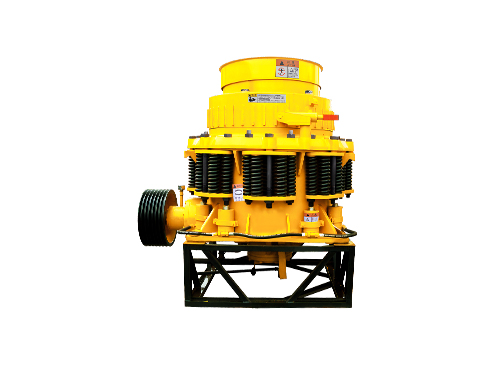
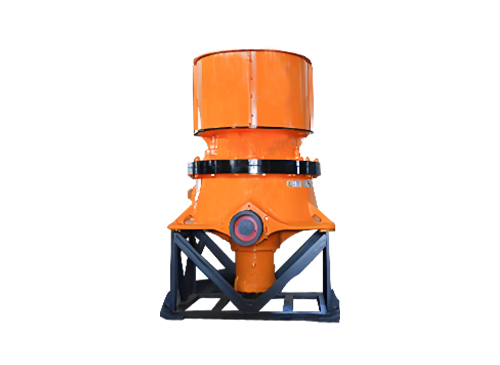
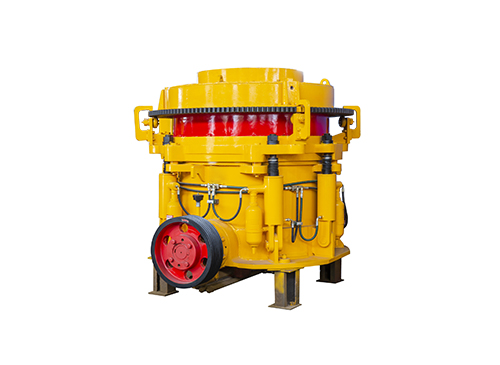
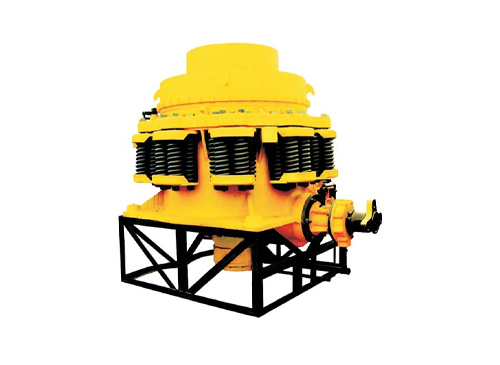
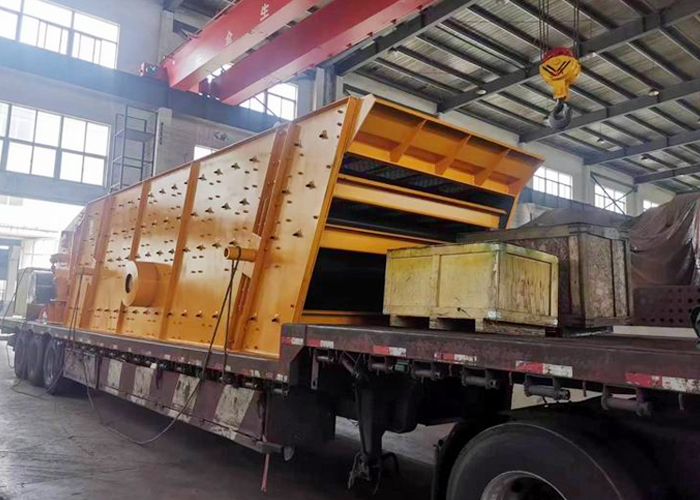
primary jaw crusher for hard rock Custom

Primary Hard Rock Jaw Crusher

Primary Jaw Crusher for Hard Rock

Large feed opening · Deep chamber · Maximum reduction ratio
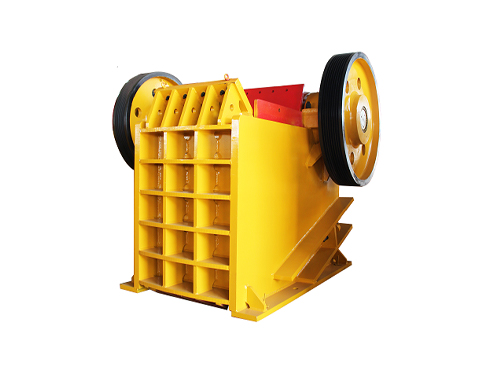
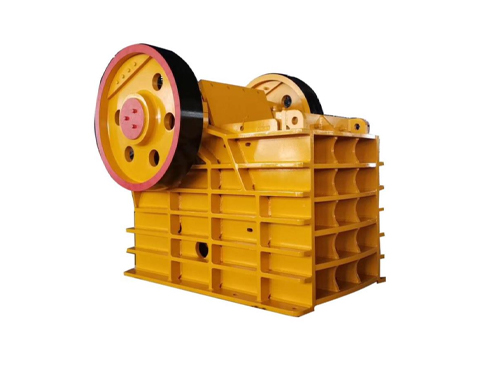
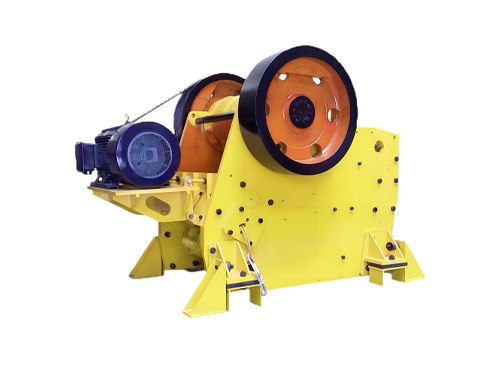
Primary jaw crusher · deep chamber for large hard-rock boulders
Core specifications
Feed opening400 × 900 – 1200 × 1500 mm
Discharge range50 – 250 mm
Capacity45 – 800 t/h
Motor power37 – 400 kW
Chamber depthDeep-cavity design for large boulders

Primary Jaw Crusher for Hard Rock – Overview

The SMC primary jaw crusher for hard rock is designed as the first stage of a crushing circuit, accepting large, run-of-mine boulders directly from blasting or excavation and reducing them to a size suitable for secondary crushing. Its deep, wide crushing chamber and heavy-duty construction make it the workhorse of hard-rock quarries and mines around the world.

The crusher uses a single-toggle, deep-chamber design in which a large swing jaw moves against a fixed jaw, compressing rock between two corrugated jaw plates. A large, heavy flywheel stores rotational energy from the motor and releases it during the crushing stroke, giving the machine the momentum needed to break large, hard boulders without stalling.

The feed opening is sized generously relative to the machine's overall footprint, allowing it to accept large, unshaped rock straight from the blast pile without excessive pre-screening, while the deep chamber geometry ensures material is fully engaged by the jaw plates rather than bouncing or riding up out of the crushing zone.

Jaw plates are manufactured from high-manganese steel and available in several tooth profiles to suit different rock hardness and abrasiveness, with a corrugated pattern that improves grip on large, angular boulders and increases nip efficiency compared to a smooth plate surface.

A toggle plate safety system acts as a mechanical fuse: if an uncrushable object such as tramp steel enters the chamber, the toggle plate is designed to fail in a controlled, predictable way before more expensive components such as the main shaft or bearings are damaged, and can be replaced quickly to restore the machine to service.

The main shaft is supported by heavy-duty spherical roller bearings, sized generously for the shock loads inherent in primary crushing of hard, unscreened rock. The eccentric shaft and pitman assembly are manufactured from forged alloy steel, machined and balanced to minimize vibration even when crushing large, irregular boulders.

Typical applications include the first crushing stage in hard-rock quarries, open-pit mines, and large infrastructure projects, feeding secondary cone or impact crushers downstream. The machine is equally at home in stationary plants and as the primary stage of a mobile crushing train.

For operations needing a rugged, high-capacity primary crusher capable of reliably handling large, hard boulders shift after shift, the SMC primary jaw crusher for hard rock provides the deep chamber, heavy flywheel, and durable jaw plates needed to keep the rest of the crushing circuit fed consistently.

Technical specifications

ModelFeed opening (mm)Discharge (mm)Capacity (t/h)Power (kW)
PE-600×900600×90075–20050–16075
PE-900×1200900×1200100–250220–380132
PE-1000×12001000×1200100–250250–450160
PE-1200×15001200×1500150–300400–800280
Sanming Mining - Raising Industry Standards
Company Profile
View More →
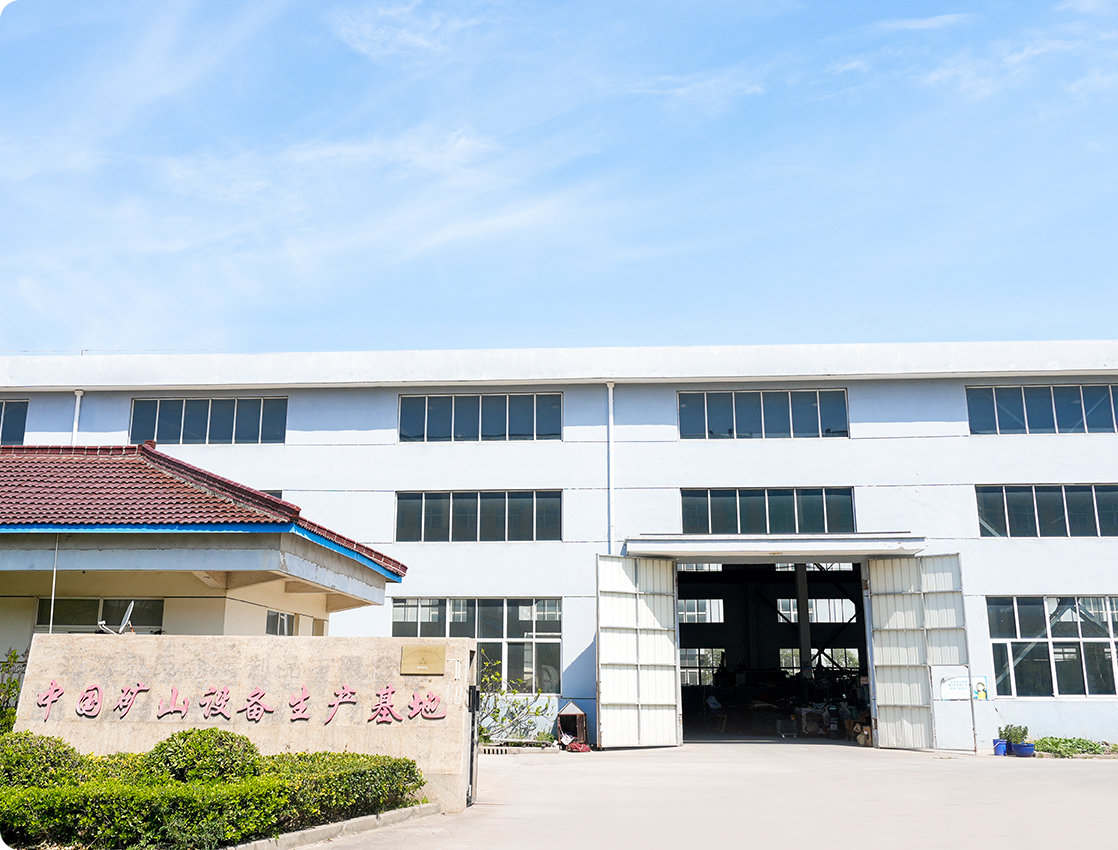
Sanming is an international Mining Machinery Equipment Supplier that integrates R&D, Manufacturing, and Sales of Rock Crushing&Screening equipment, as well as Sand Making, Sand Washing, and Grinding equipment. Sanming has passed ISO9001 quality system certification.
As China primary jaw crusher for hard rock Manufacturers and Wholesale primary jaw crusher for hard rock Factory, our equipments are widely used in the fields of Sand and Gravel Aggregate processing, Mining, and Construction Waste Resource utilization.
"Sanming" brand equipments are not only distributed in nearly 30 provinces in China, but also exported in large quantities to multiple countries in Central Asia, the Middle East, South America and Africa, and has received unanimous praise from users. Our main production base is located in Qidong (Shanghai Pudong New Area Industrial Park). We warmly welcome your visit to our factory.
Shanghai Sanming Mining Equipment Manufacturing CO., LTD.
  • 200+

    Number Of Products

  • 20,000

    Factory Area

  • 500w

    Annual Sales

  • 40%

    Annual Export Ratio

How It Works – Crushing Principle

Large Feed Intake

Deep, wide chamber accepts large, unshaped boulders directly from blasting.

Flywheel-Driven Compression

A heavy flywheel stores energy and delivers the force needed to break large rock.

Corrugated Jaw Grip

Manganese steel jaw plates bite into angular boulders for efficient nip action.

Toggle Plate Protection

The toggle plate fails in a controlled way to protect the shaft from tramp metal.

Applications & Industries

Open-Pit Mining

First-stage crushing of blasted hard-rock ore before secondary processing.

Large Quarry Operations

Primary reduction of granite, basalt, and other hard quarry rock.

Infrastructure Projects

Feeding on-site crushing plants for roads, dams, and large construction works.

Mobile Primary Crushing

Deployed as the primary stage in track-mounted or wheeled crushing trains.

Selection Guide – Choose the Right Model

PE-600×900

Feed: ≤500 mm · Capacity: 50–160 t/h
Compact primary crusher for smaller quarries and mobile units.

PE-900×1200

Feed: ≤750 mm · Capacity: 220–380 t/h
Popular mid-size model for standard hard-rock primary crushing.

PE-1000×1200

Feed: ≤850 mm · Capacity: 250–450 t/h
Higher-capacity option for larger quarry and mining operations.

PE-1200×1500

Feed: ≤1000 mm · Capacity: 400–800 t/h
Heavy-duty model for the largest boulders and highest throughput.

Comparison – Primary Jaw Crusher vs Secondary Jaw Crusher
Key Performance Indicators
Primary
95%
Secondary
55%
Primary
90%
Secondary
60%
Primary
50%
Secondary
85%

Max feed boulder size · Chamber depth · Product fineness (relative)

Primary Jaw Crusher Advantage

  • Accepts large, unscreened boulders
  • Deep chamber for maximum reduction
  • Heavy flywheel handles shock loading

Secondary Jaw Crusher

  • Finer discharge product
  • Lower power draw per ton
  • Smaller footprint
Key Components – Built to Last

Heavy Flywheel

Large-diameter flywheel stores energy for consistent crushing of hard boulders.

Corrugated Jaw Plates

High-manganese steel plates in multiple tooth profiles for different rock types.

Eccentric Shaft & Pitman

Forged alloy steel components machined and balanced for smooth operation.

Toggle Plate

Sacrificial mechanical fuse protecting the shaft from tramp metal damage.

Spherical Roller Bearings

Heavy-duty bearings sized for the shock loads of primary crushing.

Adjustment Wedge System

Allows discharge setting adjustment to compensate for jaw plate wear.

Installation & Commissioning

Foundation

Massive reinforced concrete foundation designed for high impact and shock loads.

Assembly

Frame, flywheel, and eccentric shaft assembled and aligned by qualified technicians.

Feed Arrangement

Hopper and feeder installed to control boulder flow into the chamber.

Commissioning

No-load run followed by gradual introduction of full-size feed material.

Maintenance Schedule & Wear Trend
Wear/Component Life Over Time (Relative)
100%
Start
78%
500h
58%
1100h
35%
1800h
16%
2600h
4%
3400h

Reverse or replace jaw plates once wear affects nip angle and discharge consistency.

Daily Checks

  • Toggle plate condition
  • Bearing temperature
  • Flywheel guard security

Weekly Checks

  • Inspect jaw plate wear pattern
  • Check wedge adjustment mechanism
  • Grease main bearings

Monthly

  • Inspect pitman and toggle seat wear
  • Check flywheel balance and mounting bolts
  • Review belt tension

Yearly

  • Full bearing inspection and re-lubrication
  • Inspect eccentric shaft for wear
  • Structural inspection of the frame
Quality You Can Trust
Why choose Sanming

Sanming is a professional manufacturer of R&D, manufacturing and sales

Shanghai Sanming Mining Equipment Manufacturing CO., LTD. Shanghai Sanming Mining Equipment Manufacturing CO., LTD.

Frequently Asked Questions (FAQ)

1. What size boulders can this crusher accept?
Feed opening ranges from 600×900 mm up to 1200×1500 mm depending on the model, allowing large, unshaped boulders straight from blasting to be processed without extensive pre-screening.
2. Why is chamber depth important for primary crushing?
A deep chamber keeps large boulders engaged with the jaw plates throughout the crushing stroke rather than allowing them to ride up or bounce out, improving both efficiency and safety.
3. What does the toggle plate protect against?
It protects the shaft, bearings, and frame from tramp metal or other uncrushable objects by failing in a controlled, predictable way that is far cheaper and faster to repair than shaft or bearing damage.
4. How is the discharge setting adjusted?
A wedge adjustment system at the bottom of the swing jaw allows the discharge opening to be changed to compensate for jaw plate wear and to fine-tune product size.
5. What jaw plate profile should I choose?
Coarse tooth profiles suit large, less abrasive rock, while fine tooth profiles improve nip on harder, more angular material; our engineers can recommend a profile based on your feed.
6. How does the flywheel affect performance?
The heavy flywheel stores rotational energy and releases it during the crushing stroke, giving the machine the momentum to break large, hard boulders without stalling the motor.
7. Can this crusher be used in a mobile crushing plant?
Yes, it is commonly deployed as the primary stage on track-mounted or wheeled mobile crushing units in addition to stationary installations.
8. What is the typical reduction ratio?
Primary jaw crushers typically achieve a reduction ratio of around 4:1 to 6:1, reducing large boulders to a size suitable for secondary crushing.
9. How often do jaw plates need replacement?
Jaw plate life depends on rock hardness and abrasiveness but is commonly measured in several thousand hours; plates can often be reversed once to extend service life before full replacement.
10. What causes uneven jaw plate wear?
Off-center feeding, inconsistent boulder size, or an incorrect tooth profile for the feed material are common causes of uneven jaw plate wear.
11. What foundation is required?
A massive reinforced concrete foundation is required to absorb the significant impact and shock loads generated during primary crushing of hard rock.
12. Is dust suppression available?
Yes, dust suppression spray points can be integrated at the feed hopper and discharge chute to control dust generation.
13. What safety features are standard?
Flywheel guards, emergency stop controls, and the sacrificial toggle plate system are all standard safety features.
14. How is the crusher started safely?
The crusher should always be started unloaded and allowed to reach full flywheel speed before feed material is introduced.
15. What warranty is provided?
A standard 12-month warranty covers manufacturing defects, with technical support available for installation and commissioning.
16. Do you provide sizing assistance for boulder feed?
Yes, our engineers can review your quarry's typical blast fragmentation to recommend the correct model and feed opening.
After-Sales Support & Services

Foundation & Layout Engineering

Assistance designing the reinforced foundation and feed arrangement for your site.

Jaw Plate Supply

Wide range of tooth profiles in stock for different rock hardness and feed conditions.

Operator Training

On-site training covering safe feeding practices and toggle plate inspection.

24/7 Technical Support

Ongoing support for primary crushing operations at quarries and mine sites worldwide.

Message Us If You Have Any Questions
Contact Us