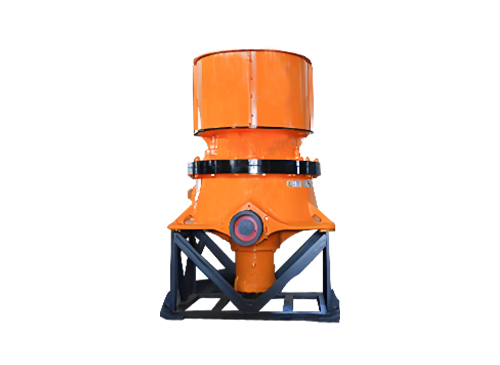
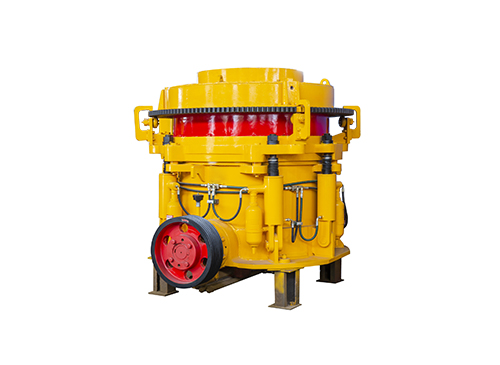
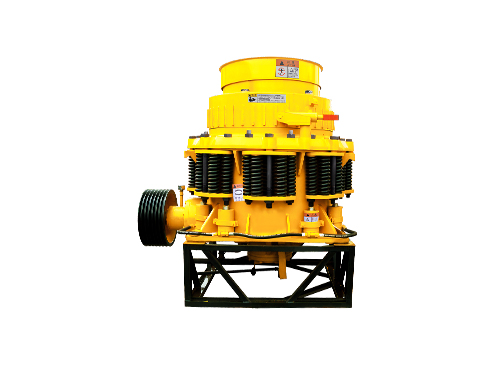
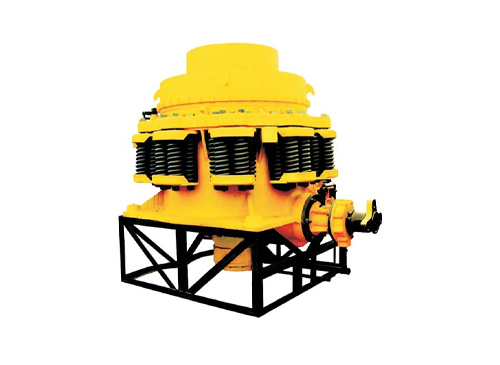
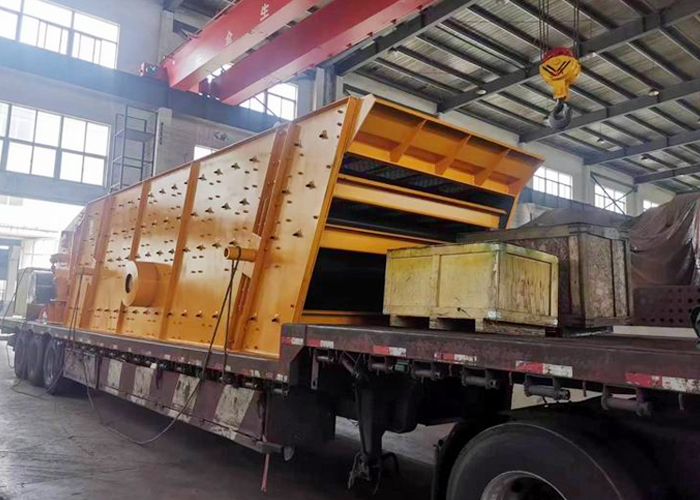
Hydraulic Cylinder Cone Crusher – Overview
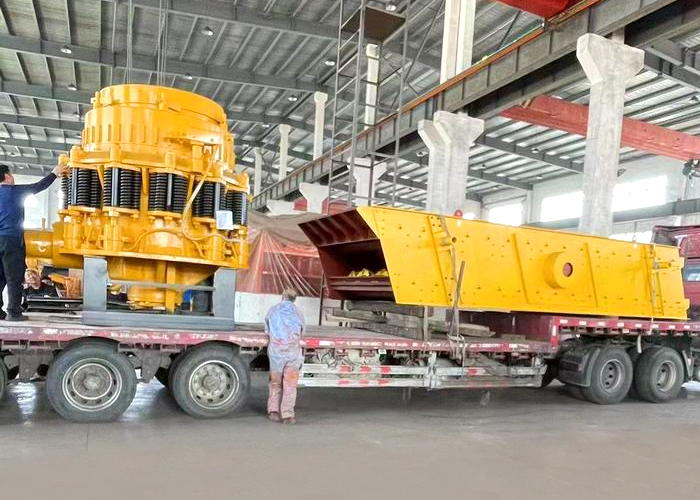
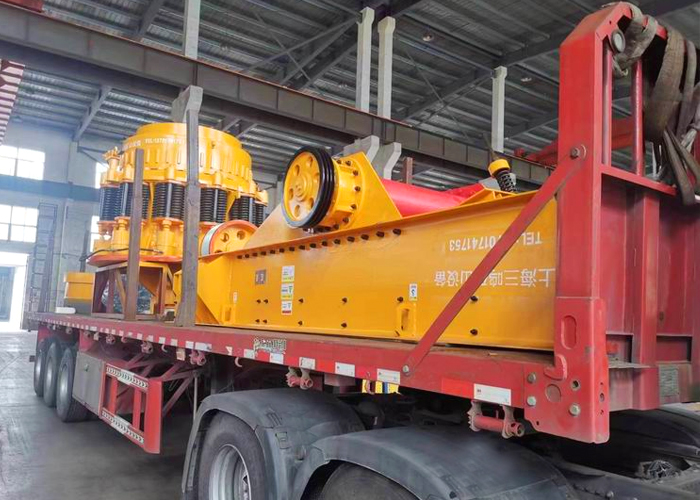
The SMC hydraulic cylinder cone crusher represents a new generation of high-performance crushing equipment, engineered for the most demanding aggregate and mining applications. Combining robust mechanical design with advanced hydraulic technology, this crusher delivers exceptional reduction ratios, consistent product grading, and unmatched operational reliability.
At the heart of the machine is a hydraulic cylinder system that supports the main shaft and provides precise adjustment of the discharge setting. Unlike spring-type cone crushers, the hydraulic cylinder offers faster response, greater clamping force, and the ability to automatically clear the crushing chamber in case of tramp iron or other uncrushable materials. This significantly reduces downtime and protects critical components from damage.
The crusher features a heavy-duty main frame with high-strength steel construction, ensuring durability under extreme crushing forces. The bowl is held securely by a series of hydraulic clamping cylinders, which also allow for quick and safe liner changes. The spherical plain bearing design accommodates high loads and provides smooth operation even at maximum capacity.
One of the key advantages of the hydraulic cone crusher is its intelligent control system. An integrated PLC-based control unit monitors crusher load, power draw, and hydraulic pressure in real-time. The system automatically adjusts the CSS (closed side setting) to maintain optimal performance, compensate for wear, and optimize energy consumption. This results in lower operating costs per ton and a more consistent product size distribution.
From a process perspective, the crusher employs the principle of inter-particle crushing. Material is compressed and crushed between the mantle and the concave, with the majority of breakage occurring due to particle-to-particle interaction. This produces a cubical-shaped product with minimal flakiness, which is highly desirable for concrete and asphalt applications. The crusher is equally effective for secondary, tertiary, or quaternary crushing stages, making it a versatile addition to any processing plant.
Maintenance has been simplified through easy-access inspection doors, a hydraulic lifting tool for the bowl, and a modular design that allows major components to be replaced without extensive disassembly. The lubrication system is fully automated, with temperature and flow sensors that alert operators to any anomalies. All wear parts are manufactured from high-chrome iron or manganese steel, offering long service life even when processing abrasive materials like granite or basalt.
Environmental considerations are also addressed: the crusher operates with low noise levels and incorporates dust suppression points. The hydraulic system uses biodegradable oil as an option, reducing environmental impact. With its combination of high throughput, energy efficiency, and low maintenance requirements, the SMC hydraulic cone crusher is the ideal solution for operations that demand consistent production and minimal interruption.
Whether you are expanding an existing plant or designing a new circuit, this crusher provides the flexibility and reliability needed to achieve your production goals. Backed by SMC's global support network, you can count on expert assistance for installation, commissioning, and ongoing performance optimization.
Frequently Asked Questions (FAQ)
1. What is the difference between a hydraulic cone crusher and a spring cone crusher?
A hydraulic cone crusher uses a hydraulic cylinder to support the main shaft and adjust the discharge setting, offering faster response, automatic overload protection, and tramp iron clearing. Spring cones rely on mechanical springs, which are less responsive and require manual reset after overload.
2. How does the hydraulic system protect the crusher from damage?
The hydraulic system includes pressure sensors and relief valves. When excessive pressure is detected (e.g., due to tramp iron), the hydraulic cylinder retracts, allowing the material to pass and then automatically resets to the original setting.
3. Can I adjust the CSS while the crusher is running?
Yes, the hydraulic cylinder enables remote and precise CSS adjustment during operation, allowing you to optimize product gradation without stopping the machine.
4. What materials can this crusher process?
It is suitable for a wide range of materials, including hard rocks like granite, basalt, and quartzite, as well as medium-hard ores and recycled concrete. The chamber design and liners can be customized for specific applications.
5. What is the expected liner life?
Liner life depends on the material abrasiveness and operating parameters. Typically, manganese steel liners last between 800 and 3000 hours. We can recommend the optimal alloy based on your feed material.
6. Is the crusher suitable for mobile plants?
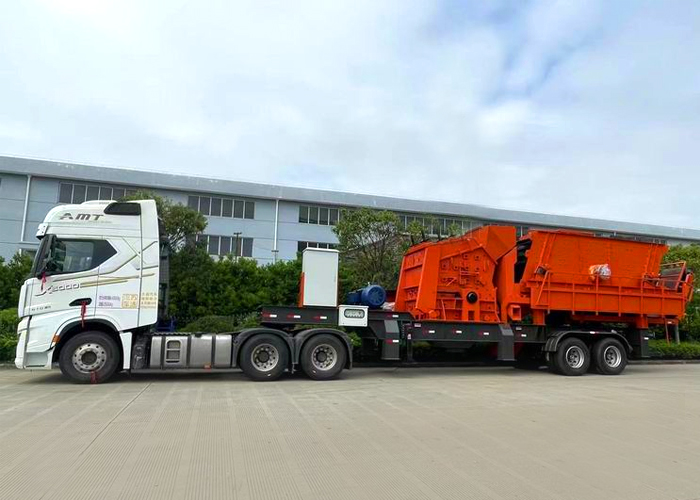
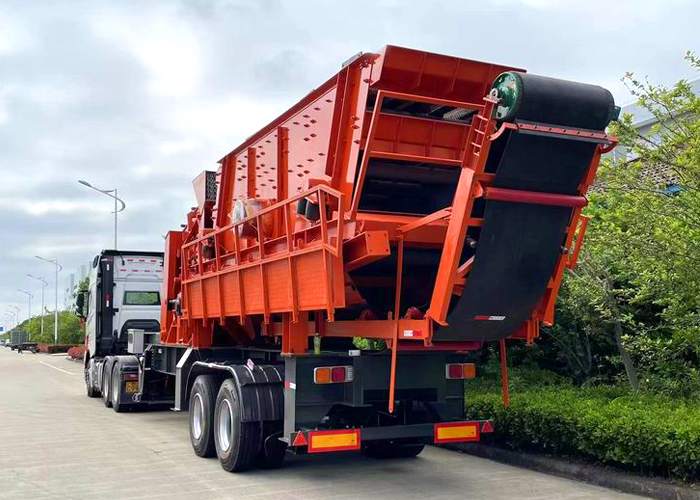
Yes, the compact design and robust construction make it ideal for mobile crushing units. Many customers integrate it into wheeled or track-mounted plants for on-site crushing.
7. How often should the hydraulic oil be changed?
Hydraulic oil should be changed every 2000 operating hours or at least once a year, depending on the operating environment. Regular oil analysis is recommended to extend component life.
8. Does the crusher require a special foundation?
A reinforced concrete foundation is recommended to absorb dynamic loads. We provide detailed foundation drawings and installation guidelines to ensure safe and stable operation.
9. What control options are available?
The crusher comes with a standard PLC-based control panel with HMI touchscreen. Optional remote monitoring and integration with plant control systems (SCADA) are also available.
10. How does the crusher perform in terms of energy efficiency?
The hydraulic drive system, combined with an optimized crushing chamber, achieves a low specific energy consumption (kWh/ton). The automatic load control ensures the motor operates at peak efficiency under varying feed conditions.
11. What spare parts should I keep in stock?
We recommend keeping a set of wear liners, hydraulic seals, filter elements, and a spare hydraulic cylinder kit. This ensures minimal downtime in case of unexpected wear or component failure.
12. How do I know when to replace the mantle or concave?
Monitor the wear profile visually or use the ultrasonic thickness gauge. Replace when the thickness is below 15% of original or when the product gradation shows excessive coarsening.
13. What causes high oil temperature in the hydraulic system?
Common causes include low oil level, clogged cooler, worn pump, or excessive internal leakage. Check the cooler and filter, and ensure the oil viscosity is within specification.
14. Can the crusher handle wet or sticky material?
Yes, but we recommend installing a feeder with a grizzly or a pre-screening to remove fines. Wet materials may require anti-clogging liners or reduced feed rate.
15. Is remote monitoring available?
Yes, we offer optional IoT modules that transmit crusher data (pressure, temperature, power) to your control room or mobile device for remote diagnostics.
16. What is the typical delivery time?
Standard delivery is 30–45 days depending on the model and customization. We also keep some popular models in stock for urgent requirements.
17. How do I adjust the product size?
Adjust the closed side setting (CSS) via the hydraulic cylinder. A smaller CSS produces finer product, while larger CSS increases capacity.
18. What safety features are included?
The crusher includes emergency stop, hydraulic pressure relief, temperature cut-off, and a mechanical lock for maintenance. All guards are CE compliant.
19. Can I use the crusher for tertiary crushing?
Absolutely. The hydraulic cone crusher excels in tertiary and quaternary stages, producing fine aggregates with excellent shape.
20. What warranty do you offer?
We offer a 12-month warranty against manufacturing defects, with extended warranty options available for key components like the main shaft and hydraulic cylinder.
21. Do you provide on-site training?
Yes, we provide comprehensive training for operators and maintenance personnel at your site, covering operation, troubleshooting, and routine maintenance procedures.


 English
 русский