Deep Cavity Toggle Jaw Crusher – Overview
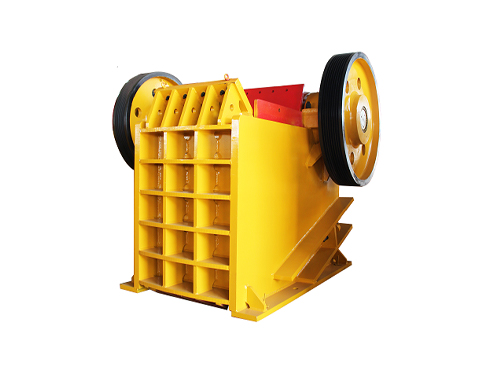
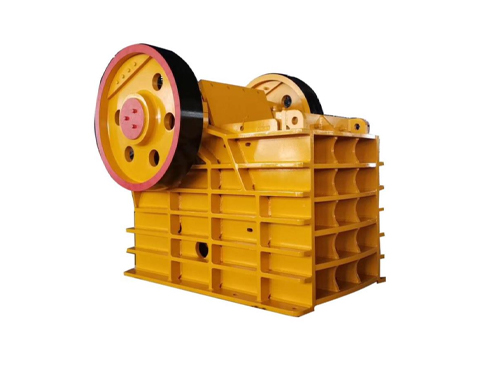
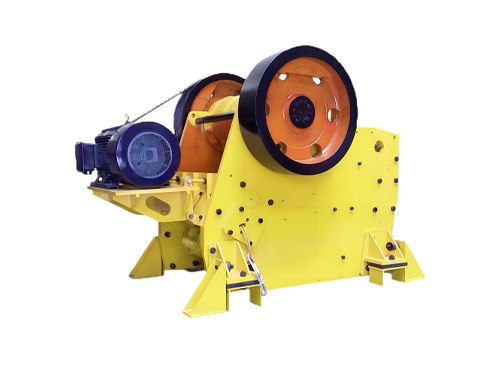
The SMC deep cavity toggle jaw crusher is engineered around an extended crushing chamber and an optimized toggle mechanism that together increase the effective crushing stroke of the swing jaw, allowing more material to be reduced per cycle and achieving a noticeably higher reduction ratio than a standard-depth chamber of the same feed opening size.
The deep-cavity chamber design extends the vertical distance over which material is engaged by the jaw plates before reaching the discharge opening, meaning rock passes through more compression cycles as it moves down the chamber. This reduces the amount of oversized material slipping through un-crushed, a common inefficiency in shallower chambers, and results in a more consistent, better-graded product.
The toggle mechanism is specifically optimized for this deeper geometry: the toggle plate angle and pitman arm travel are tuned to deliver a longer, more effective stroke at the bottom of the chamber where crushing work is most concentrated, rather than simply lengthening the chamber without adjusting the mechanical linkage — a mismatch that would otherwise reduce nip efficiency.
Because more crushing work is accomplished within a single pass through the chamber, this design typically reduces circulating load in circuits where oversize material would otherwise need to be screened out and returned to the crusher, easing the burden on downstream screens and conveyors and improving overall circuit efficiency.
The swing jaw and pitman assembly are reinforced to handle the increased stroke length and associated dynamic loads, with the eccentric shaft, bearings, and toggle seat all upgraded relative to a standard-depth model of comparable feed opening to ensure long-term reliability under the higher mechanical stress of the extended stroke.
Jaw plates use the same high-manganese corrugated design found across SMC's jaw crusher range, with tooth profiles selected to complement the deep-cavity geometry and maintain strong material grip throughout the longer engagement zone, from initial nip at the top of the chamber to final sizing near the discharge opening.
Typical applications include operations seeking to improve overall reduction ratio at the primary stage — reducing the load on secondary crushers — as well as circuits where minimizing circulating load and maximizing single-pass efficiency directly reduces energy consumption and wear across the whole crushing plant.
For operations wanting to get more reduction out of a single primary crushing stage, the SMC deep cavity toggle jaw crusher delivers a meaningfully higher reduction ratio and better product consistency than a standard-cavity jaw crusher of comparable size.
Frequently Asked Questions (FAQ)
1. What does 'deep cavity' mean for a jaw crusher?
It refers to an extended crushing chamber that keeps material engaged with the jaw plates over a longer vertical distance, resulting in more compression cycles and a higher reduction ratio per pass.
2. Why is the toggle mechanism specifically optimized for this design?
Simply deepening the chamber without adjusting the toggle plate angle and pitman travel would reduce nip efficiency; the toggle geometry is tuned to deliver an effective stroke throughout the extended chamber.
3. How much higher is the reduction ratio compared to a standard cavity crusher?
The exact improvement depends on feed material and settings, but the deep-cavity design generally achieves a noticeably higher single-pass reduction ratio than a standard-depth chamber of the same feed opening.
4. Does this design reduce load on downstream equipment?
Yes, because more oversize material is crushed in a single pass, less circulating load is returned by screens to the crusher, easing the burden on conveyors and screens downstream.
5. Are the components stronger than a standard jaw crusher?
Yes, the pitman assembly, eccentric shaft, and bearings are upgraded relative to a standard-depth model of comparable feed opening to handle the increased stroke length and dynamic loads.
6. Is the jaw plate profile different from a standard crusher?
Jaw plate tooth profiles are selected to complement the deep-cavity geometry, maintaining strong grip throughout the longer engagement zone from initial nip to final sizing.
7. What applications benefit most from this design?
Operations seeking to reduce secondary crusher load, minimize circulating load in closed circuits, or improve overall product consistency benefit most from the deep-cavity design.
8. Does the deep cavity design increase maintenance requirements?
The toggle plate and pitman assembly experience more engagement cycles and should be monitored somewhat more closely, though overall maintenance procedures follow the same schedule as standard jaw crushers.
9. How does discharge setting adjustment work on this model?
A wedge adjustment system at the base of the swing jaw allows the discharge opening to be fine-tuned, compensating for jaw plate wear while maintaining product consistency.
10. What feed sizes are supported?
Feed opening ranges up to 1000 mm depending on the model, similar to comparable standard-cavity primary jaw crushers.
11. Is this crusher suitable for both hard and medium-hard rock?
Yes, it is a general-purpose primary crusher suitable for a wide range of rock hardness, with the deep-cavity design providing consistent benefits across most quarry and mining feed materials.
12. How does energy efficiency compare to a standard-cavity crusher?
By achieving more reduction per pass, the deep-cavity design can lower overall circuit energy consumption, since less material needs to be reprocessed through the crusher or handled by additional stages.
13. What foundation considerations apply to this model?
The foundation should be sized for the increased dynamic loads generated by the longer stroke, similar to but somewhat more conservative than a standard-cavity model of the same feed opening.
14. Can this crusher replace an existing standard-cavity unit?
In many cases yes, though foundation loads, feed arrangement, and downstream circuit capacity should be reviewed by our engineers to confirm compatibility.
15. What warranty is offered?
A standard 12-month warranty covers manufacturing defects, with extended coverage available for the toggle plate and pitman assembly given their increased engagement cycles.
16. Do you provide circuit optimization support?
Yes, our engineers can review your existing circuit to estimate the reduction in circulating load and downstream equipment strain from switching to a deep-cavity design.


 English
 русский