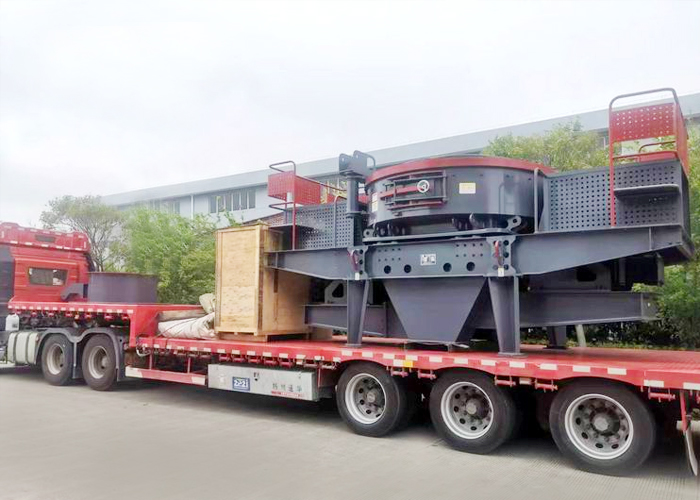
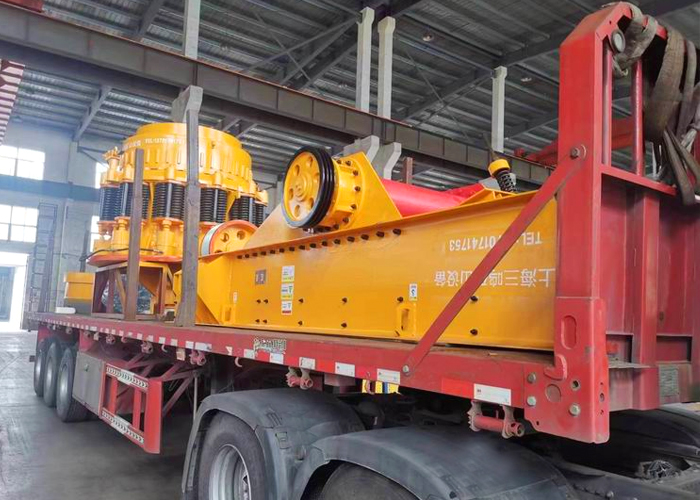
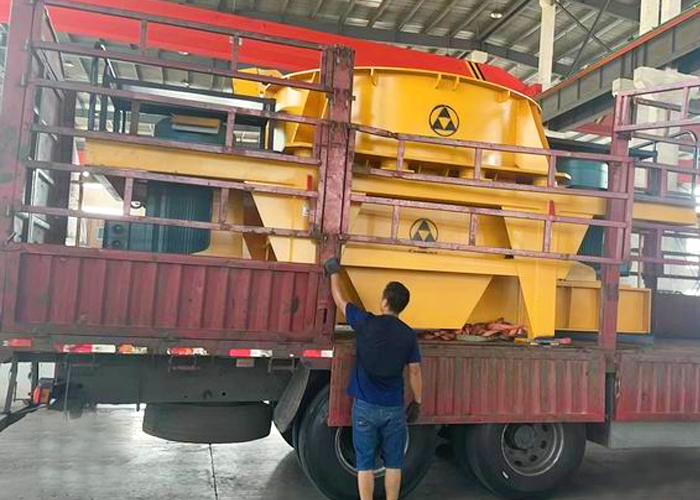
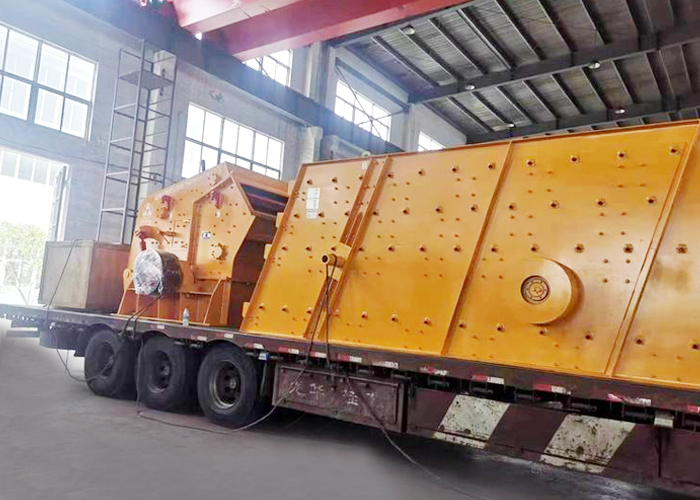
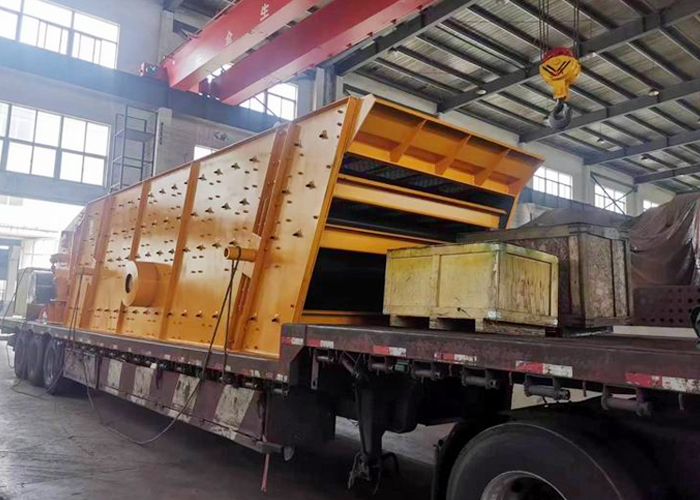
Construction Waste Recycling Impact Crusher – Overview
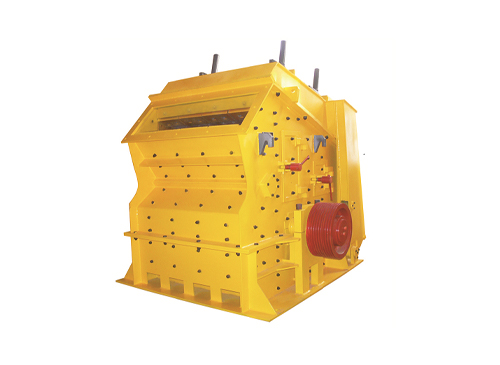
The SMC construction waste recycling impact crusher is engineered specifically to process concrete rubble, brick, masonry, and other construction and demolition (C&D) debris into high-value recycled aggregate, with design features that address the unique challenges of demolition waste — embedded rebar, mixed material composition, and variable, unscreened feed.
A key design consideration is tolerance to embedded steel reinforcement: the rotor, blow bars, and frame are reinforced beyond standard impact crusher specifications to withstand the impact of rebar fragments passing through the chamber, and the machine is typically paired with an integrated or downstream magnetic separator to extract ferrous material from the crushed product stream.
The crushing chamber accommodates mixed and variable feed composition typical of demolition sites — concrete, brick, block, and occasional wood or plastic contamination — with an impact mechanism that efficiently breaks down the mineral fraction while allowing lighter contaminants to be separated downstream by air classification or manual picking without jamming the crusher.
Because C&D waste crushing generates a high proportion of fine material and dust compared to virgin quarry rock, the machine is commonly specified with an integrated dust suppression or collection system, and the discharge conveyor and screening arrangement are sized to handle the higher fines content typical of demolition debris processing.
The recycled aggregate produced retains good particle shape thanks to the impact crushing mechanism, making it suitable for a range of secondary uses including road base, non-structural concrete aggregate, drainage fill, and pipe bedding — applications that are expanding rapidly as construction codes increasingly recognize and specify recycled aggregate content.
A reinforced discharge grate and apron system is designed for easy access and rapid clearing in the event of a jam caused by long rebar segments or oversized concrete chunks, minimizing downtime that would otherwise result from the more unpredictable feed stream characteristic of demolition waste compared to quarried rock.
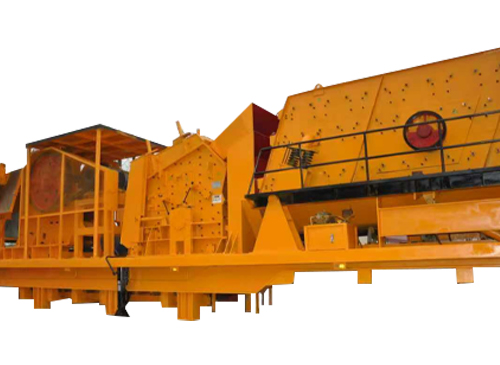
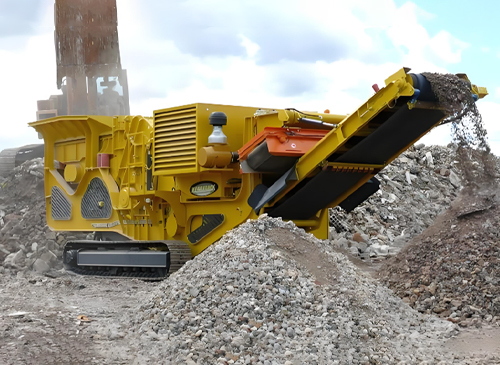
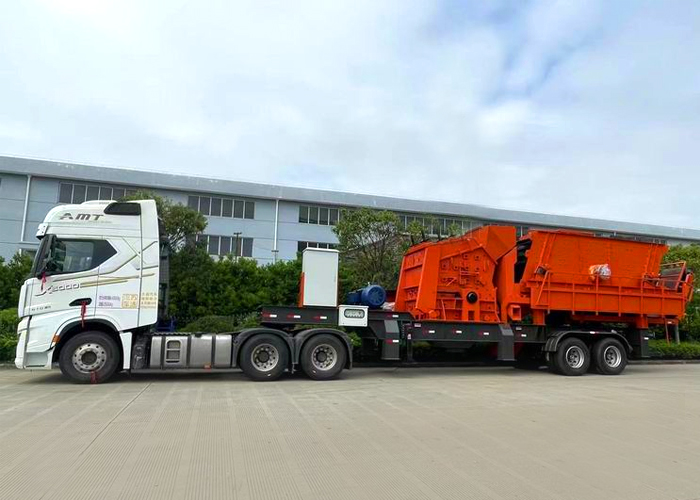
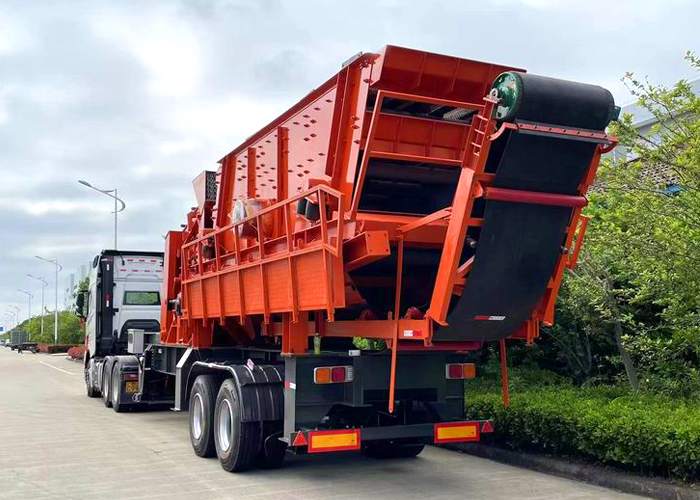
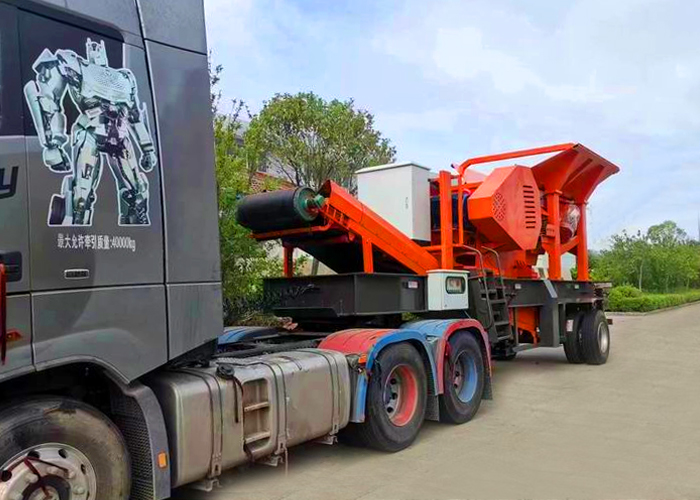
Typical applications include on-site demolition recycling at redevelopment projects, dedicated C&D recycling facilities, and mobile crushing plants deployed to process rubble directly at demolition sites, avoiding the cost and environmental impact of trucking waste to landfill and virgin aggregate back to the site.
For projects and facilities focused on diverting construction waste from landfill and producing certified recycled aggregate, the SMC construction waste recycling impact crusher provides the rebar tolerance, contamination handling, and product shape needed to make C&D recycling economically viable.
Frequently Asked Questions (FAQ)
1. How does this crusher handle embedded rebar?
The rotor, blow bars, and frame are reinforced beyond standard impact crusher specifications to tolerate the impact of rebar fragments, and the machine is typically paired with a magnetic separator to remove ferrous material from the product.
2. Is a magnetic separator included or optional?
Magnetic separation can be integrated directly or added as a downstream unit on the discharge conveyor, depending on your facility layout and preference.
3. What types of construction waste can this crusher process?
It handles concrete rubble, brick, masonry block, and mixed demolition debris, tolerating variable composition and minor contamination from wood or plastic.
4. How is dust managed given the high fines content of C&D waste?
An optional water spray or dust collection system can be integrated to manage the higher fines and dust generation typical of demolition debris processing.
5. What happens if a long rebar segment jams the machine?
The reinforced discharge grate and apron system are designed for easy access, allowing jams to be cleared quickly to minimize downtime.
6. Can this crusher be used for on-site demolition recycling?
Yes, it is commonly deployed on skid or track-mounted chassis directly at demolition sites, avoiding the cost of hauling waste to a fixed facility.
7. What quality of recycled aggregate does it produce?
The impact crushing mechanism produces well-shaped recycled aggregate suitable for road base, non-structural concrete, drainage fill, and similar applications.
8. Does light contamination like wood or plastic cause jamming?
The chamber design is intended to resist jamming from minor contamination, though pre-sorting to remove large contaminants is still recommended for best performance.
9. How does blow bar wear compare to crushing clean quarry rock?
Mixed C&D debris, including concrete with embedded aggregate and occasional rebar contact, generally causes somewhat faster blow bar wear than clean, consistent quarry rock.
10. Can recycled aggregate from this crusher be used in structural concrete?
Applications vary by local building code; many jurisdictions allow recycled aggregate in non-structural uses, with structural use depending on specific quality testing and local regulations.
11. What capacity range is available?
Capacity ranges from 50 to 400 t/h depending on the model, matched to typical demolition project and recycling facility throughput needs.
12. Is pre-screening recommended before this crusher?
Pre-screening to remove fines and large contaminants can improve overall efficiency, though the machine is designed to tolerate reasonably mixed, unscreened feed.
13. What safety features address the unpredictable nature of demolition feed?
Reinforced components, quick-clearing grate access, and standard emergency stop and chamber-opening systems all help manage the added risk of variable demolition debris.
14. What warranty applies to this recycling-specific model?
A standard 12-month warranty covers manufacturing defects, with the reinforced components specifically covered given their exposure to rebar impact.
15. Do you provide facility layout support for a C&D recycling plant?
Yes, our engineers can help design the overall crushing, screening, and magnetic separation layout for a dedicated recycling facility.


 English
 русский