Ultrafine Vertical Roller Grinding Mill Custom

Ultrafine Vertical Roller Grinding Mill

Ultrafine Vertical Roller Grinding Mill

Micron-level fineness · High energy efficiency · Large single-unit capacity
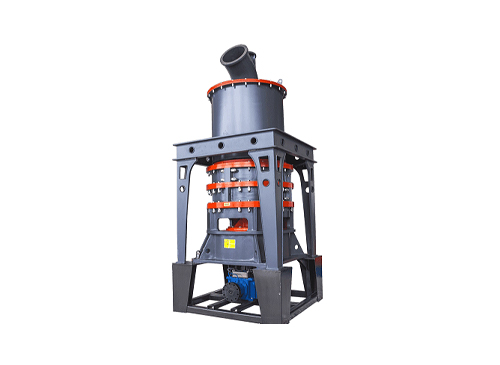
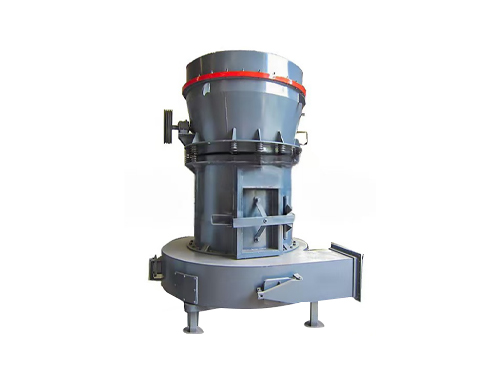
Ultrafine vertical roller mill · hydraulic rollers on rotating grinding table
Core specifications
Feed size≤ 50 mm
Product fineness325 – 2500 mesh (adjustable)
Capacity5 – 80 t/h
Motor power132 – 800 kW (main mill)
Integrated functionsCrushing · grinding · drying · classifying

Ultrafine Vertical Roller Grinding Mill – Overview

The SMC ultrafine vertical roller grinding mill combines crushing, grinding, classifying, and conveying functions within a single vertical machine, using large grinding rollers pressed hydraulically against a rotating grinding table to produce mineral powder at micron-level fineness with significantly better energy efficiency than traditional ring-roller mills at comparable capacity.

Material is fed onto the center of the rotating grinding table, where centrifugal force carries it outward beneath the hydraulically-pressed grinding rollers, which crush and grind the material into a thin bed as the table rotates, a continuous compression grinding process that requires substantially less energy per ton than impact or ball-mill grinding for equivalent fineness.

A high-efficiency internal classifier, often a cage-type or turbine classifier with independently adjustable rotation speed, sits directly above the grinding zone, allowing precise control over final product fineness reaching into the ultrafine micron range, with oversize particles rejected back to the grinding table for further processing in the same closed-circuit airflow.

The hydraulic loading system pressing the rollers against the grinding table can be adjusted to control grinding force independently of material feed rate, giving operators the ability to fine-tune the balance between throughput and product fineness, and to reduce roller pressure automatically during no-load conditions to protect the grinding surfaces.

Because crushing, grinding, drying, and classifying all occur within one integrated vertical mill body, the equipment footprint and the number of separate machines required is substantially reduced compared to achieving equivalent ultrafine output through a traditional mill-plus-classifier arrangement, simplifying plant layout and reducing material handling between stages.

Hot air integration allows the mill to simultaneously dry moist feed material as it grinds, using waste heat or a dedicated hot air source to evaporate surface moisture within the grinding chamber, which is particularly valuable for minerals that arrive from quarrying or mining with natural moisture content that would otherwise impede fine grinding.

Typical applications include ultrafine powder production for heavy calcium carbonate, kaolin, bentonite, and similar minerals used in high-end paper coating, plastics, and specialty chemical applications where product fineness in the low-micron range and narrow particle size distribution are critical quality requirements.

For operations requiring ultrafine mineral powder at large single-unit capacity with superior energy efficiency, the SMC ultrafine vertical roller grinding mill delivers a meaningful step up from traditional ring-roller grinding technology.

Technical specifications

ModelTable diameter (mm)Roller countCapacity (t/h)Power (kW)
UVM-1200120035–15132
UVM-17001700312–30250
UVM-22002200425–55450
UVM-28002800445–80800
Sanming Mining - Raising Industry Standards
Company Profile
View More →
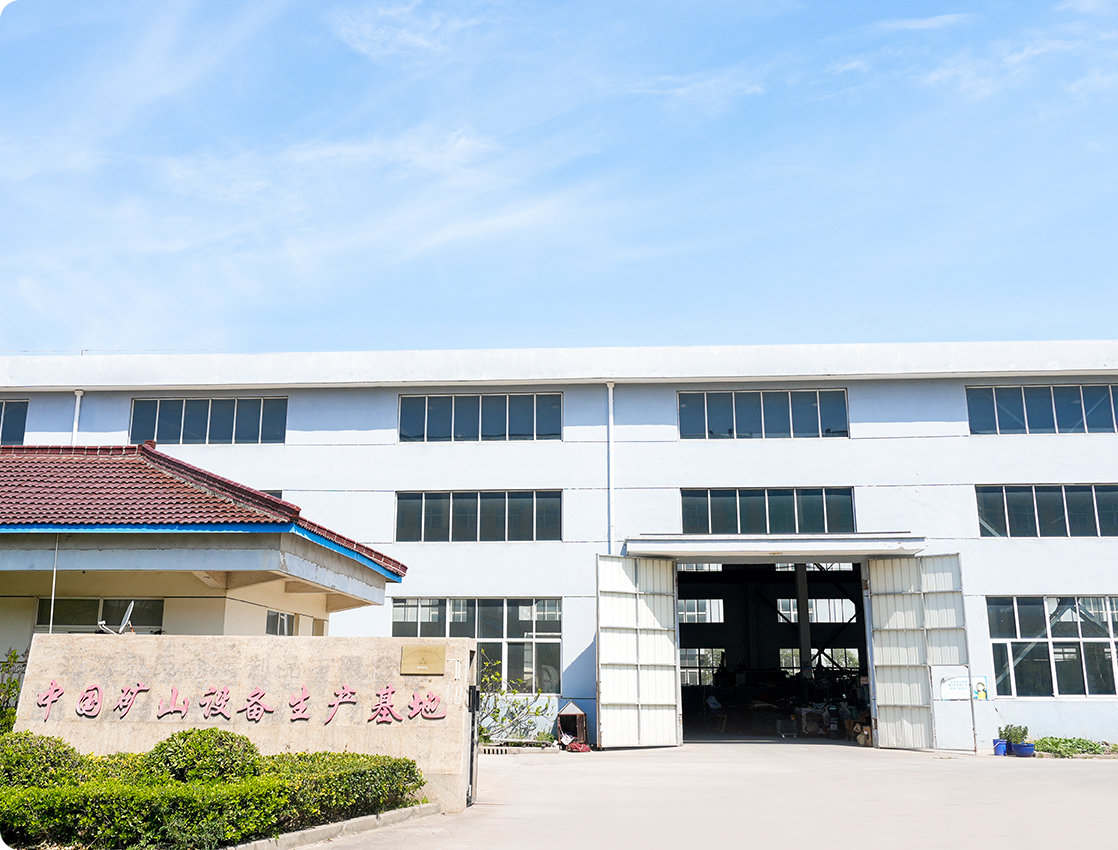
Sanming is an international Mining Machinery Equipment Supplier that integrates R&D, Manufacturing, and Sales of Rock Crushing&Screening equipment, as well as Sand Making, Sand Washing, and Grinding equipment. Sanming has passed ISO9001 quality system certification.
As China Ultrafine Vertical Roller Grinding Mill Manufacturers and Wholesale Ultrafine Vertical Roller Grinding Mill Factory, our equipments are widely used in the fields of Sand and Gravel Aggregate processing, Mining, and Construction Waste Resource utilization.
"Sanming" brand equipments are not only distributed in nearly 30 provinces in China, but also exported in large quantities to multiple countries in Central Asia, the Middle East, South America and Africa, and has received unanimous praise from users. Our main production base is located in Qidong (Shanghai Pudong New Area Industrial Park). We warmly welcome your visit to our factory.
Shanghai Sanming Mining Equipment Manufacturing CO., LTD.
  • 200+

    Number Of Products

  • 20,000

    Factory Area

  • 500w

    Annual Sales

  • 40%

    Annual Export Ratio

How It Works – Working Principle

Centrifugal Table Feed

Material spreads outward across the rotating table under centrifugal force.

Hydraulic Roller Compression

Hydraulically pressed rollers grind material into a thin bed on the table.

Integrated Hot Air Drying

Hot air simultaneously evaporates surface moisture during grinding.

High-Efficiency Classification

Adjustable-speed classifier achieves precise ultrafine fineness control.

Applications & Industries

Paper Coating Minerals

Ultrafine calcium carbonate and kaolin for high-end paper coating.

Plastics & Specialty Chemicals

Fine mineral powders for polymer and chemical formulation.

Bentonite Processing

Fine grinding of bentonite for drilling mud and specialty applications.

High-Value Mineral Powder

Any application demanding micron-level fineness and narrow distribution.

Selection Guide – Choose the Right Model

UVM-1200

Feed: 1200mm table · Capacity: 5–15 t/h
Entry model for specialty ultrafine powder production.

UVM-1700

Feed: 1700mm table · Capacity: 12–30 t/h
Balanced model for standard ultrafine mineral processing.

UVM-2200

Feed: 2200mm table · Capacity: 25–55 t/h
Higher-capacity option for larger ultrafine operations.

UVM-2800

Feed: 2800mm table · Capacity: 45–80 t/h
Top-capacity model for major ultrafine powder facilities.

Comparison – Ultrafine Vertical Roller Mill vs Raymond Mill
Key Performance Indicators
Vertical Roller
90%
Raymond Mill
55%
Vertical Roller
88%
Raymond Mill
50%
Vertical Roller
55%
Raymond Mill
90%

Energy efficiency at scale · Ultrafine fineness capability · Purchase cost-effectiveness (relative)

Vertical Roller Mill Advantage

  • Significantly higher energy efficiency at scale
  • Achieves true ultrafine micron-level fineness
  • Integrated drying handles moist feed

Raymond Mill

  • Lower purchase cost
  • Simpler mechanism, familiar operation
  • Sufficient for coarser powder specifications
Key Components – Built to Last

Rotating Grinding Table

Carries material outward under centrifugal force beneath the rollers.

Hydraulic Grinding Rollers

Pressed against the table with independently adjustable grinding force.

Hydraulic Loading System

Controls roller pressure and protects surfaces during no-load conditions.

Cage/Turbine Classifier

High-efficiency unit with adjustable speed for precise fineness control.

Hot Air Integration

Simultaneously dries moist feed material during the grinding process.

Main Reducer & Motor

Drives the grinding table through a heavy-duty gear reducer.

Installation & Commissioning

Foundation

Reinforced foundation designed for the mill's substantial static and dynamic loads.

Hydraulic System Hook-Up

Connect and pressure-test the roller loading hydraulic system.

Hot Air Source Integration

Connect waste heat or dedicated hot air supply for moisture control.

Commissioning

No-load run to verify table and roller operation, then gradual feed introduction.

Maintenance Schedule & Wear Trend
Wear/Component Life Over Time (Relative)
100%
Start
78%
400h
58%
900h
35%
1500h
16%
2200h
5%
2900h

Inspect grinding table liner and roller surfaces regularly, since ultrafine grinding accuracy depends on maintaining consistent grinding geometry.

Daily Checks

  • Hydraulic pressure readings
  • Product fineness spot-check
  • Hot air temperature and airflow

Weekly Checks

  • Inspect table liner and roller wear
  • Check classifier speed calibration
  • Clean airflow ductwork

Monthly

  • Hydraulic oil sampling
  • Inspect main reducer oil level
  • Check roller tire wear pattern

Yearly

  • Full hydraulic system service
  • Replace table liners/roller tires as needed
  • Complete reducer and bearing inspection
Quality You Can Trust
Why choose Sanming

Sanming is a professional manufacturer of R&D, manufacturing and sales

Shanghai Sanming Mining Equipment Manufacturing CO., LTD. Shanghai Sanming Mining Equipment Manufacturing CO., LTD.

Frequently Asked Questions (FAQ)

1. How does this mill achieve ultrafine fineness?
A high-efficiency internal classifier with independently adjustable speed, combined with hydraulically-controlled compression grinding on the rotating table, allows precise control over particle size reaching into the low-micron range.
2. Why is this mill more energy-efficient than a Raymond mill?
Compression grinding between hydraulically-pressed rollers and a rotating table requires substantially less energy per ton than the impact-and-friction grinding mechanism of traditional ring-roller mills, particularly at larger scale.
3. How does the integrated hot air drying work?
Hot air, either from waste heat recovery or a dedicated source, is introduced into the grinding chamber to evaporate surface moisture from feed material simultaneously with grinding, which is valuable for naturally moist minerals.
4. What does the hydraulic loading system control?
It controls the grinding force applied by the rollers against the table independently of feed rate, and can automatically reduce pressure during no-load conditions to protect grinding surfaces from unnecessary wear.
5. What fineness range can this mill produce?
Product fineness is typically adjustable from around 325 mesh through 2500 mesh, covering standard fine powder through true ultrafine specifications.
6. What functions are integrated into one machine?
Crushing, grinding, drying, and classifying all occur within the single vertical mill body, reducing the equipment footprint compared to achieving equivalent output through separate machines.
7. What minerals benefit most from this mill?
Heavy calcium carbonate, kaolin, bentonite, and similar minerals used in high-end paper coating, plastics, and specialty chemical applications benefit most from this mill's ultrafine capability.
8. How is grinding table wear managed?
Table liners and roller surfaces are designed for periodic inspection and replacement, since maintaining consistent grinding geometry is important for sustained ultrafine accuracy.
9. What capacity range does this mill family cover?
Capacity ranges from 5 to 80 t/h depending on table diameter, covering specialty operations through major ultrafine powder production facilities.
10. How does moisture in the feed affect grinding?
Excess moisture can impede fine grinding efficiency, which is why the integrated hot air drying feature is particularly valuable for minerals with natural moisture content from quarrying or mining.
11. What maintenance does the hydraulic system require?
Regular hydraulic oil sampling and inspection of the loading system's cylinders and seals are recommended given the system's central role in grinding force control.
12. What warranty is offered?
A standard 12-month warranty covers manufacturing defects, with the table liner, roller tires, and hydraulic components covered separately as wear items.
After-Sales Support & Services

Fineness Specification Consultation

Guidance achieving your target micron-level product specification.

Table & Roller Wear Part Supply

Liners and roller tires stocked for ongoing ultrafine grinding operation.

Hydraulic System Support

Service assistance for the roller loading hydraulic system.

24/7 Technical Support

Ongoing assistance for ultrafine mineral powder production.

Message Us If You Have Any Questions
Contact Us