Wet Overflow Ball Grinding Mill
Fine grinding in slurry · Mineral processing standard · Gentle overflow discharge
Wet overflow ball mill · rotating shell with steel ball charge and overflow discharge
Core specifications
Shell diameter900 – 3600 mm
Feed size≤ 25 mm
Capacity0.65 – 180 t/h
Motor power18.5 – 4500 kW
Discharge typeOverflow — gentle, gravity-driven
Wet Overflow Ball Grinding Mill – Overview
The SMC wet overflow ball grinding mill is a mineral processing workhorse in which ore and water are fed together into a rotating cylindrical shell partially filled with steel grinding balls, producing fine ground slurry through the tumbling and cascading impact of the ball charge, with finished product discharging naturally through an overflow trunnion at the mill's outlet end.
As the mill shell rotates, the steel ball charge is lifted by lifter bars along the shell wall and cascades down through the slurry, repeatedly striking and grinding ore particles between colliding balls and against the shell lining, with finer particles gradually working their way toward the discharge end as grinding proceeds.
The overflow discharge mechanism allows ground slurry to exit the mill naturally through the hollow discharge trunnion once it has been sufficiently reduced in size to flow with the general slurry mass, without requiring a mechanical pump or grate system, resulting in a comparatively gentle discharge process well suited to grinding circuits feeding downstream classification such as hydrocyclones.
Because overflow mills rely on slurry flow rather than forced discharge, they typically operate with a lower ball charge and pulp density than grate discharge mills of similar size, favoring finer grinding at somewhat lower throughput — a tradeoff well suited to applications where product fineness matters more than maximum tonnage.
Trunnion bearings supporting the rotating shell at both ends are hydrodynamic or hydrostatic sliding bearings for larger mills, designed to support the mill's substantial rotating mass reliably over decades of continuous operation, with lubrication systems engineered for the heavy, continuous duty cycle typical of mineral processing plants.
Liner design inside the mill shell — typically manganese steel, high-chrome alloy, or rubber composite depending on the ore's abrasiveness and the operation's maintenance philosophy — protects the shell from direct ball and ore contact while also shaping the lifting action that determines grinding efficiency, with liner profile selection an important factor in overall mill performance.
Typical applications include primary and secondary grinding in metal ore beneficiation circuits — gold, copper, iron, and other metal ores — as well as non-metallic mineral grinding wherever wet processing and fine, closely controlled particle size are required ahead of flotation, leaching, or magnetic separation.
For mineral processing operations needing proven, reliable wet fine grinding ahead of downstream separation processes, the SMC wet overflow ball grinding mill remains one of the most widely used and well-understood grinding technologies in the industry.
Sanming Mining - Raising Industry Standards
Company Profile
View More →
Sanming is an international Mining Machinery Equipment Supplier that integrates R&D, Manufacturing, and Sales of Rock Crushing&Screening equipment, as well as Sand Making, Sand Washing, and Grinding equipment. Sanming has passed ISO9001 quality system certification.
As
China Wet Overflow Ball Grinding Mill Manufacturers and
Wholesale Wet Overflow Ball Grinding Mill Factory, our equipments are widely used in the fields of Sand and Gravel Aggregate processing, Mining, and Construction Waste Resource utilization.
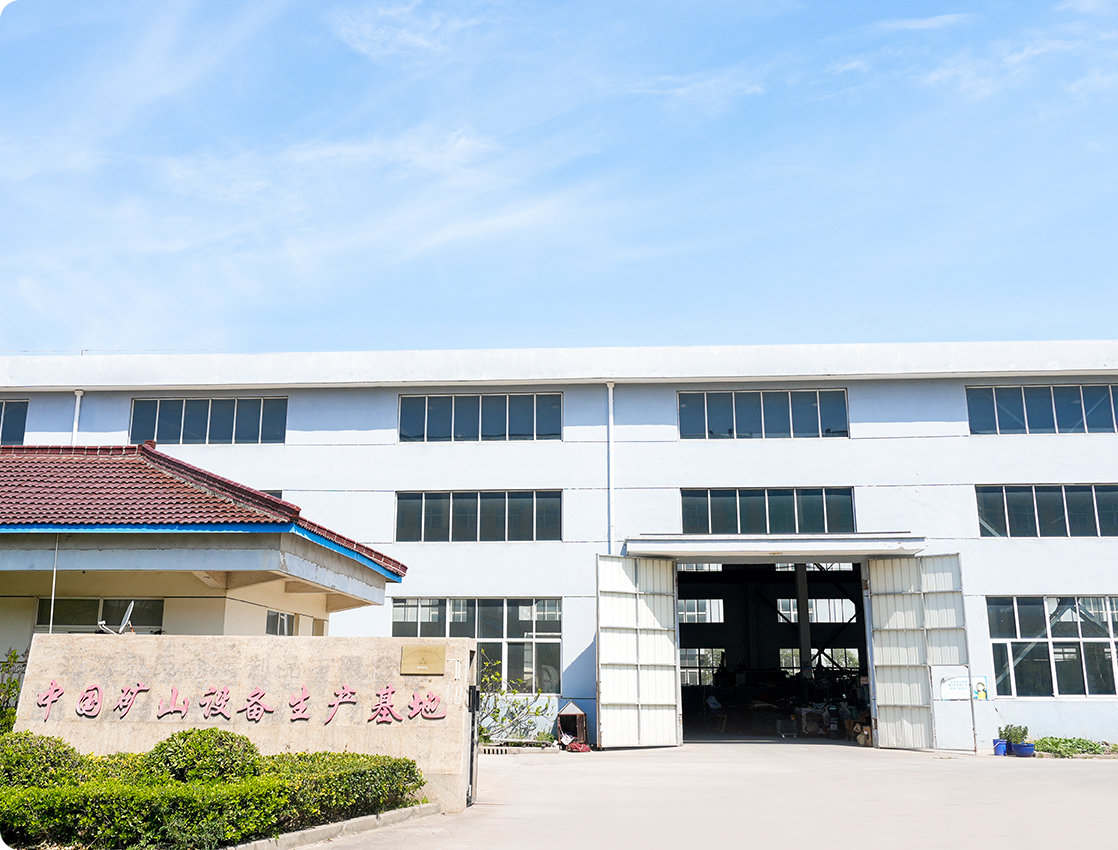
"Sanming" brand equipments are not only distributed in nearly 30 provinces in China, but also exported in large quantities to multiple countries in Central Asia, the Middle East, South America and Africa, and has received unanimous praise from users. Our main production base is located in Qidong (Shanghai Pudong New Area Industrial Park). We warmly welcome your visit to our factory.

- 200+
Number Of Products
- 20,000
Factory Area
- 500w
Annual Sales
- 40%
Annual Export Ratio
How It Works – Working Principle
Ball Charge Cascading
Rotating shell lifts steel balls that cascade down through the ore slurry.
Impact & Attrition Grinding
Colliding balls and shell contact grind ore particles progressively finer.
Natural Overflow Discharge
Sufficiently ground slurry exits through the discharge trunnion by gravity flow.
Downstream Classification Ready
Gentle discharge suits feeding hydrocyclones or other classifiers.
Applications & Industries
Gold Ore Grinding
Fine grinding ahead of flotation or cyanide leaching circuits.
Copper & Base Metal Ores
Primary and secondary grinding in metal ore beneficiation plants.
Iron Ore Beneficiation
Wet grinding ahead of magnetic separation processing.
Non-Metallic Mineral Grinding
Fine wet grinding for various industrial mineral applications.
Suitable For Various Mining Applications
Equipment Production Line
←
→
Selection Guide – Choose the Right Model
OBM-1200
Feed: 1200mm shell · Capacity: 0.65–2 t/h
Small mill for pilot plants or specialty low-volume grinding.
OBM-1800
Feed: 1800mm shell · Capacity: 3–12 t/h
Balanced model for standard-scale mineral processing plants.
OBM-2400
Feed: 2400mm shell · Capacity: 10–45 t/h
Higher-capacity option for larger beneficiation operations.
OBM-3200
Feed: 3200mm shell · Capacity: 35–120 t/h
Top-capacity model for major mineral processing facilities.
Comparison – Overflow Ball Mill vs Grate Discharge Ball Mill
Key Performance Indicators
Fine grinding capability · Throughput at coarser target size · Discharge gentleness (relative)
Overflow Mill Advantage
- Better suited to finer grinding targets
- Gentler discharge for classification circuits
- Simpler discharge mechanism, less maintenance
Grate Discharge Ball Mill
- Higher throughput at coarser grind targets
- Reduced overgrinding of already-fine particles
- Higher achievable pulp density
Key Components – Built to Last
Rotating Mill Shell
Cylindrical steel shell housing the ball charge and grinding action.
Steel Ball Charge
Grinding media in graded sizes matched to the feed and target fineness.
Wear-Resistant Liners
Manganese, high-chrome, or rubber composite liners protecting the shell.
Trunnion Bearings
Hydrodynamic or hydrostatic bearings supporting the rotating shell.
Overflow Discharge Trunnion
Allows ground slurry to exit naturally without mechanical assistance.
Main Drive & Reducer
Heavy-duty gear reducer and motor driving the mill shell rotation.
Installation & Commissioning
Foundation
Massive reinforced concrete foundation for the mill's substantial rotating mass.
Trunnion Bearing Alignment
Precision alignment of both trunnion bearings before operation.
Ball Charge Loading
Load the initial graded steel ball charge per the grinding specification.
Commissioning
No-load run to verify shell rotation and bearing performance, then gradual feed.
Maintenance Schedule & Wear Trend
Wear/Component Life Over Time (Relative)
Monitor liner wear and ball charge composition — replenish grinding media regularly to maintain consistent grinding performance.
Daily Checks
- Trunnion bearing temperature
- Discharge slurry density and fineness
- Lubrication system pressure
Weekly Checks
- Inspect liner wear pattern
- Check ball charge level
- Monitor motor current trend
Monthly
- Add makeup grinding balls as needed
- Inspect trunnion bearing seals
- Check main drive gear condition
Yearly
- Full trunnion bearing inspection
- Inspect/replace liners as scheduled
- Complete main drive gear and reducer service
Quality You Can Trust
Why choose Sanming
Sanming is a professional manufacturer of R&D, manufacturing and sales
-
01. Design & Customization
The company has an experienced and highly skilled R&D team, which is capable of providing customers with customized equipment solutions to meet the needs of different customers

-
02. Advanced Facilities
The company has invested in and introduced a series of advanced production equipment, such as high-precision CNC machine tools, automated welding equipment, etc. These equipment features high efficiency, precision and stability, which can ensure the quality of products and production efficiency

-
03. Reliable Quality
The company always gives top priority to product quality. It uses high-quality raw materials and components, and through strict screening and inspection, it ensures the quality and performance of products. At the same time, the company also conducts long-term tracking and services for products, promptly solves the problems encountered by customers during the use process, and improves customer satisfaction

-
04. Service Integrity
The company has established a complete after-sales service system to provide customers with comprehensive services. This includes equipment installation and debugging, operation training, maintenance, technical consultation, etc., to ensure that customers can use the equipment smoothly and maximize its benefits

-
05. Cost Control
The company effectively controls product costs by optimizing the production process, reducing raw material procurement costs, and improving production efficiency. On the premise of ensuring product quality, it can provide customers with competitive prices and enhance their market competitiveness

-
06. Brand Influence
After years of development, the company has established a good brand image in the mining equipment manufacturing industry and has won the trust and praise of customers

-
07. Convenient Transportation
The company is only 50 kilometers away from Shanghai Yangshan Port, making the transportation of goods and exports very convenient

Frequently Asked Questions (FAQ)
1. How does an overflow ball mill discharge ground material?
Sufficiently ground slurry flows naturally through the hollow discharge trunnion once particles are fine enough to move with the general slurry mass, without requiring mechanical pumping or a grate system.
2. How does this differ from a grate discharge ball mill?
Grate discharge mills use a grate to force slurry through at a controlled size and typically achieve higher throughput at coarser grind targets, while overflow mills are better suited to finer grinding with a gentler discharge process.
3. What ore types is this mill suitable for?
It is widely used for metal ores including gold, copper, and iron, as well as various non-metallic minerals, wherever wet processing and fine particle size control are required.
4. How is grinding fineness controlled?
Fineness is influenced by ball charge size distribution, mill rotation speed, feed rate, and residence time, with these parameters tuned to achieve the target particle size for downstream processing.
5. What liner materials are available?
Manganese steel, high-chrome alloy, and rubber composite liners are all available, selected based on ore abrasiveness and the operation's maintenance philosophy.
6. How often is the ball charge replenished?
Grinding balls wear continuously during operation and should be monitored regularly, with makeup balls added periodically to maintain consistent grinding performance and charge composition.
7. What downstream processes typically follow this mill?
Ground slurry from an overflow mill commonly feeds hydrocyclones for classification, with oversize returned to the mill and correctly sized product proceeding to flotation, leaching, or other separation processes.
8. What capacity range does this mill family cover?
Capacity ranges from 0.65 to 180 t/h depending on shell diameter, covering pilot-scale operations through major mineral processing facilities.
9. How are trunnion bearings maintained?
Trunnion bearings require regular lubrication monitoring and periodic inspection given their critical role supporting the mill's substantial rotating mass over continuous operation.
10. What causes inconsistent grinding fineness?
Ball charge depletion, liner wear affecting lifting action, or feed rate variability are common causes of inconsistent grinding fineness that should be investigated if product quality drifts.
11. Is this mill suitable for continuous 24/7 operation?
Yes, wet overflow ball mills are commonly operated continuously in mineral processing plants, with maintenance scheduling designed around sustained operation.
12. What warranty is offered?
A standard 12-month warranty covers manufacturing defects, with liners and grinding media covered separately as consumable wear items.
After-Sales Support & Services
Grinding Circuit Optimization
Engineering support tuning ball charge and operating parameters for your target fineness.
Liner & Grinding Media Supply
Wear-resistant liners and steel balls stocked for ongoing operation.
Trunnion Bearing Service
Specialized support for inspection and maintenance of large trunnion bearings.
24/7 Technical Support
Ongoing assistance for wet grinding operations in mineral processing.


 English
 русский