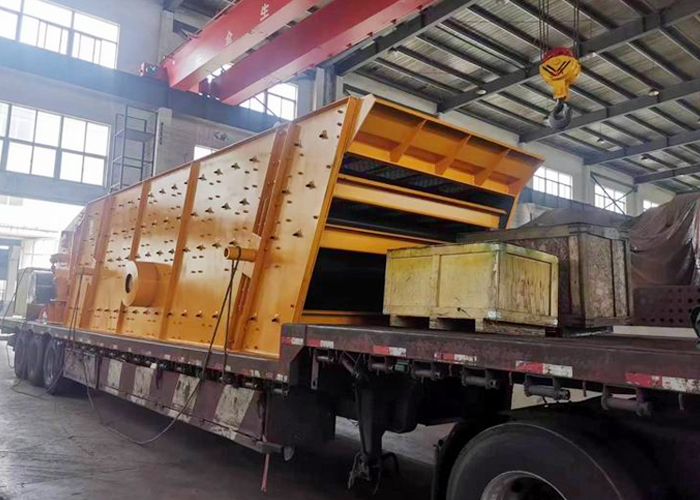
Spiral Chute Sand Washing Machine
Gravity-driven washing · Effective de-mudding · Low water and power consumption
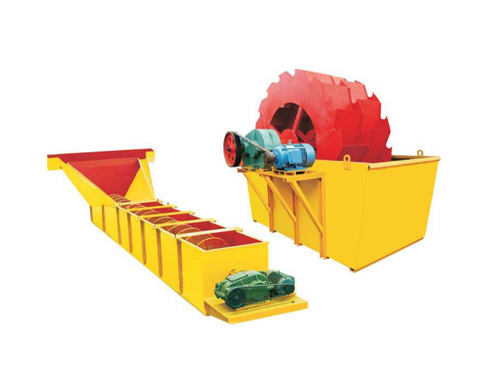
Spiral chute sand washer · gravity-driven trough with rotating spiral
Core specifications
Spiral diameter300 – 1000 mm
Trough incline12° – 18°
Capacity8 – 200 t/h
Motor power1.5 – 22 kW
ConfigurationSingle or double spiral in shared trough
Spiral Chute Sand Washing Machine – Overview
The SMC spiral chute sand washing machine is a downstream cleaning and de-mudding unit that removes clay, silt, and organic impurities from natural or manufactured sand using a slow-rotating spiral positioned within an inclined trough, relying primarily on gravity and gentle mechanical agitation rather than the high-turbulence action used by wheel-bucket or drum-type washers.
Sand and water enter at the upper end of the inclined washing trough, where the slowly rotating spiral blades lift cleaned, heavier sand particles up the incline toward the discharge point while lighter clay, silt, and organic contaminants remain suspended in the water and flow out over a weir at the lower end, achieving separation through a combination of settling velocity difference and gentle spiral agitation.
Because the process relies on slow rotation and gravity settling rather than aggressive mechanical scrubbing, the spiral chute washer is gentle on sand particles, minimizing the loss of fine sand fractions into the waste water stream compared to more turbulent washing methods — an important consideration since manufactured sand's fine fraction often carries significant commercial value.
The spiral shaft assembly is supported by sealed bearings positioned above the waterline wherever possible, protecting them from the abrasive slurry environment, while the spiral blades themselves are lined with wear-resistant rubber or polyurethane in high-wear zones to extend service life against the constant abrasive contact with sand and grit.
A low power and water consumption profile is a key advantage of the spiral chute design compared to wheel washers or high-pressure spray systems, since the slow rotation speed requires only a modest drive motor and the gravity-assisted separation process does not depend on high water flow rates to achieve effective cleaning.
The machine can be configured as a single spiral or double spiral unit within a shared trough, with double-spiral configurations offering higher throughput capacity for the same footprint, making the choice a function of required processing volume relative to available installation space.
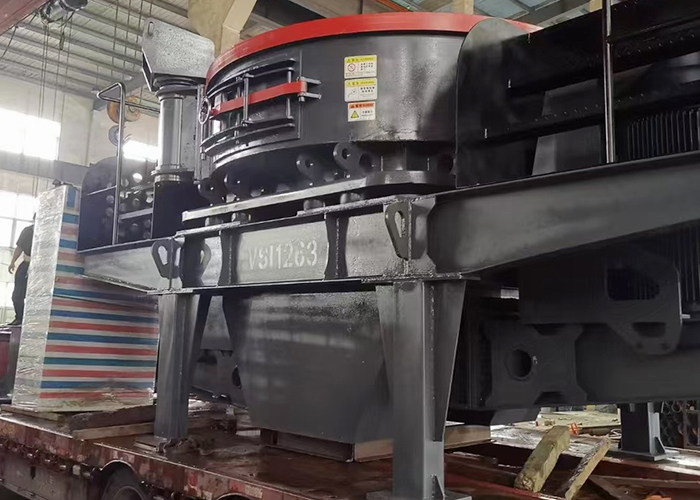
Typical applications include cleaning manufactured sand produced by VSI sand makers, washing natural sand and gravel extracted from pits, and de-mudding recycled aggregate fines, wherever gentle, low-cost, high-recovery washing is preferred over more aggressive and energy-intensive washing technologies.
For operations needing effective, low-cost sand cleaning with minimal loss of valuable fine sand, the SMC spiral chute sand washing machine offers a proven, mechanically simple solution that has been used in sand and aggregate processing for decades.
Sanming Mining - Raising Industry Standards
Company Profile
View More →
Sanming is an international Mining Machinery Equipment Supplier that integrates R&D, Manufacturing, and Sales of Rock Crushing&Screening equipment, as well as Sand Making, Sand Washing, and Grinding equipment. Sanming has passed ISO9001 quality system certification.
As
China Spiral Chute Sand Washing Machine Manufacturers and
Wholesale Spiral Chute Sand Washing Machine Factory, our equipments are widely used in the fields of Sand and Gravel Aggregate processing, Mining, and Construction Waste Resource utilization.
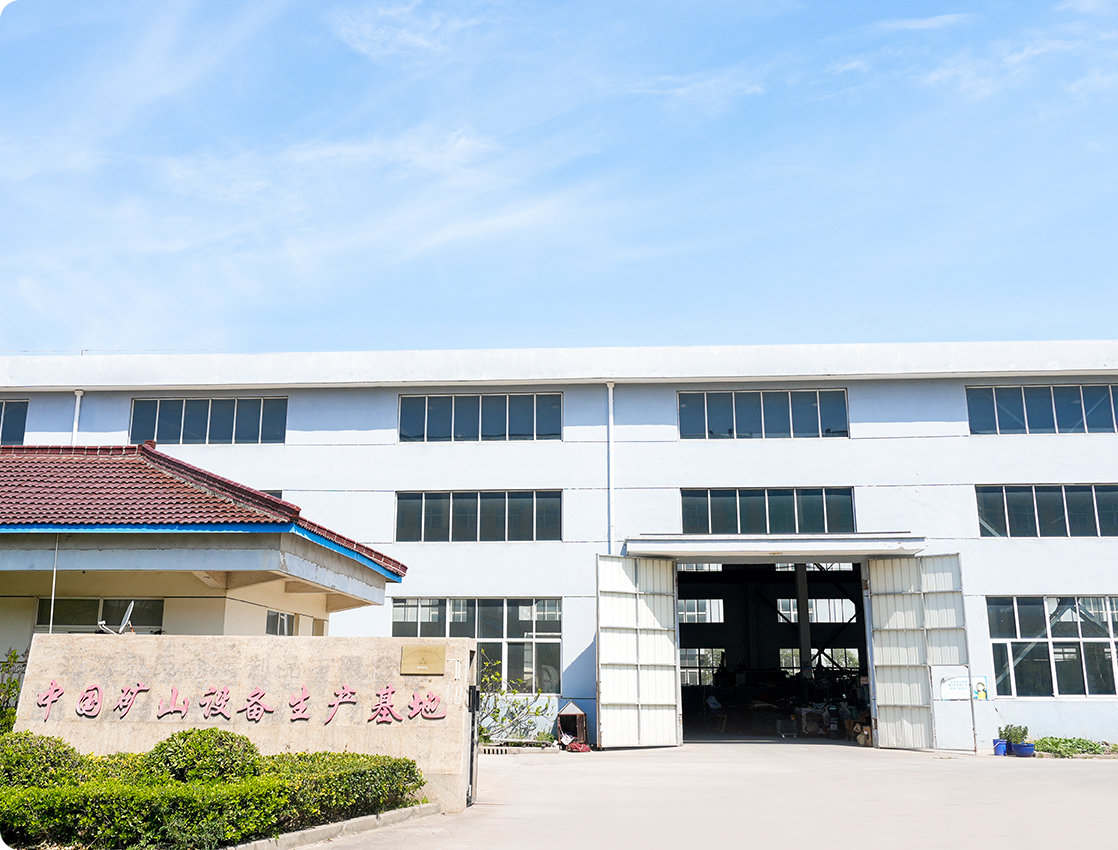
"Sanming" brand equipments are not only distributed in nearly 30 provinces in China, but also exported in large quantities to multiple countries in Central Asia, the Middle East, South America and Africa, and has received unanimous praise from users. Our main production base is located in Qidong (Shanghai Pudong New Area Industrial Park). We warmly welcome your visit to our factory.

- 200+
Number Of Products
- 20,000
Factory Area
- 500w
Annual Sales
- 40%
Annual Export Ratio
How It Works – Working Principle
Trough Feed Intake
Sand and water enter at the upper end of the inclined washing trough.
Spiral Lifting Action
Slowly rotating spiral blades lift cleaned sand up the incline toward discharge.
Gravity Separation
Lighter clay, silt, and organics remain suspended and overflow at the lower weir.
Clean Sand Discharge
Washed, dewatered sand discharges at the top of the incline for stockpiling.
Applications & Industries
Manufactured Sand Cleaning
Washing sand produced by VSI sand makers to remove residual fines and dust.
Natural Sand & Gravel Washing
Cleaning pit-extracted sand and gravel before sale or use.
Recycled Aggregate De-Mudding
Removing clay and silt from recycled fine aggregate streams.
Concrete & Mortar Sand Prep
Producing clean, low-mud sand meeting concrete and mortar standards.
Suitable For Various Mining Applications
Equipment Production Line
←
→
Selection Guide – Choose the Right Model
SW-300
Feed: 1 spiral · Capacity: 8–20 t/h
Compact single-spiral washer for small operations or lab testing.
SW-500
Feed: 1 spiral · Capacity: 20–60 t/h
Popular mid-size single-spiral washer for standard sand lines.
SW-800
Feed: 2 spirals · Capacity: 60–130 t/h
Double-spiral unit for higher-throughput washing in a compact footprint.
SW-1000
Feed: 2 spirals · Capacity: 120–200 t/h
Top-capacity double-spiral washer for large sand production plants.
Comparison – Spiral Chute Washer vs Wheel Bucket Sand Washer
Key Performance Indicators
Fine sand recovery rate · Cleaning intensity for heavy mud · Power and water efficiency (relative)
Spiral Chute Advantage
- Gentle action minimizes fine sand loss
- Lower power and water consumption
- Simple mechanical design, low maintenance
Wheel Bucket Washer
- More aggressive cleaning for heavy mud content
- Higher throughput per unit footprint
- Better suited to very dirty feed material
Key Components – Built to Last
Inclined Trough
Steel trough set at 12–18 degrees to allow gravity-assisted separation.
Spiral Shaft & Blades
Slow-rotating spiral lifting cleaned sand toward the discharge point.
Wear-Resistant Lining
Rubber or polyurethane lining on blades in high-wear contact zones.
Sealed Bearing Housing
Positioned above the waterline to protect bearings from abrasive slurry.
Overflow Weir
Controls water level and allows contaminated wash water to discharge.
Drive Reducer & Motor
Low-speed gear reducer matched to a modest-power drive motor.
Installation & Commissioning
Foundation
Simple sloped concrete or steel support structure for the inclined trough.
Water Supply Connection
Connect fresh or recycled water supply to the feed end of the trough.
Discharge & Overflow Setup
Arrange clean sand discharge and contaminated overflow water routing.
Commissioning
No-load run to verify spiral rotation, then gradual sand and water feed.
Maintenance Schedule & Wear Trend
Wear/Component Life Over Time (Relative)
Spiral blade lining wears gradually — inspect periodically and replace lining sections before base metal is exposed.
Daily Checks
- Spiral rotation speed and smoothness
- Water level at overflow weir
- Discharge sand cleanliness
Weekly Checks
- Inspect spiral blade lining for wear
- Check bearing seals for water ingress
- Clean accumulated sediment from trough base
Monthly
- Grease spiral shaft bearings
- Inspect drive reducer oil level
- Check belt or coupling condition
Yearly
- Full bearing inspection and replacement as needed
- Inspect trough for wear or corrosion
- Complete drive reducer service
Quality You Can Trust
Why choose Sanming
Sanming is a professional manufacturer of R&D, manufacturing and sales
-
01. Design & Customization
The company has an experienced and highly skilled R&D team, which is capable of providing customers with customized equipment solutions to meet the needs of different customers

-
02. Advanced Facilities
The company has invested in and introduced a series of advanced production equipment, such as high-precision CNC machine tools, automated welding equipment, etc. These equipment features high efficiency, precision and stability, which can ensure the quality of products and production efficiency

-
03. Reliable Quality
The company always gives top priority to product quality. It uses high-quality raw materials and components, and through strict screening and inspection, it ensures the quality and performance of products. At the same time, the company also conducts long-term tracking and services for products, promptly solves the problems encountered by customers during the use process, and improves customer satisfaction

-
04. Service Integrity
The company has established a complete after-sales service system to provide customers with comprehensive services. This includes equipment installation and debugging, operation training, maintenance, technical consultation, etc., to ensure that customers can use the equipment smoothly and maximize its benefits

-
05. Cost Control
The company effectively controls product costs by optimizing the production process, reducing raw material procurement costs, and improving production efficiency. On the premise of ensuring product quality, it can provide customers with competitive prices and enhance their market competitiveness

-
06. Brand Influence
After years of development, the company has established a good brand image in the mining equipment manufacturing industry and has won the trust and praise of customers

-
07. Convenient Transportation
The company is only 50 kilometers away from Shanghai Yangshan Port, making the transportation of goods and exports very convenient

Frequently Asked Questions (FAQ)
1. How does a spiral chute washer clean sand?
Sand and water enter an inclined trough where a slowly rotating spiral lifts cleaned, heavier sand up the incline toward discharge, while lighter clay and silt remain suspended in the water and overflow at the lower end.
2. Why does this method lose less fine sand than other washers?
The slow rotation and gravity-based separation are gentler than high-turbulence washing methods, reducing the amount of valuable fine sand carried away with the waste water stream.
3. What is the difference between single and double spiral configurations?
A double-spiral unit uses two spirals within a shared trough to increase throughput capacity for the same footprint compared to a single-spiral unit.
4. How much water does this machine consume?
Water consumption is relatively low compared to high-pressure spray or wheel washing systems, since the process relies on gravity-assisted separation rather than high water flow rates.
5. What causes wear on the spiral blades?
Constant abrasive contact with sand and grit gradually wears the blade surfaces, which is why wear-resistant rubber or polyurethane lining is applied in high-wear zones.
6. Is this machine suitable for very muddy feed material?
It performs well on moderate mud and clay content; for feed material with very heavy mud loading, a more aggressive washing method such as a wheel bucket washer may achieve better results.
7. How is water recycled in the washing process?
Overflow water carrying clay and silt can be routed to a settling pond or thickener for water recovery and reuse, reducing overall fresh water consumption.
8. What maintenance does the spiral shaft require?
Regular greasing of the shaft bearings and periodic inspection of blade lining wear are the primary maintenance tasks for the spiral shaft assembly.
9. Can this washer handle both natural and manufactured sand?
Yes, it is commonly used for both natural pit sand and manufactured sand produced by VSI sand makers, cleaning residual fines and dust from either source.
10. What incline angle does the trough use?
The trough is typically set at an incline of 12 to 18 degrees, balancing effective sand lifting against appropriate water retention time for separation.
11. How is capacity selected for a given operation?
Capacity is matched to upstream sand production rate; our engineers can help select single or double spiral configuration and model size based on your throughput needs.
12. What protects the bearings from the abrasive slurry?
Bearings are positioned above the waterline wherever possible and use sealed housings to protect them from direct exposure to the abrasive sand-water slurry.
13. How does power consumption compare to other washing methods?
The slow rotation speed of the spiral chute design requires only a modest drive motor, giving it a lower power consumption profile than wheel washers or high-pressure spray systems.
14. What warranty is offered on this equipment?
A standard 12-month warranty covers manufacturing defects, with the wear-resistant blade lining covered separately as a wear item.
15. Do you provide water recycling system design support?
Yes, our engineers can help design a settling pond or thickener system to recycle wash water and reduce overall fresh water consumption.
After-Sales Support & Services
Capacity Sizing Support
Guidance selecting single or double spiral configuration for your throughput.
Wear Lining Supply
Rubber and polyurethane blade lining stocked for fast replacement.
Water Recycling Design
Assistance designing settling ponds or thickeners for water reuse.
24/7 Technical Support
Ongoing assistance for sand washing and de-mudding operations.


 English
 русский