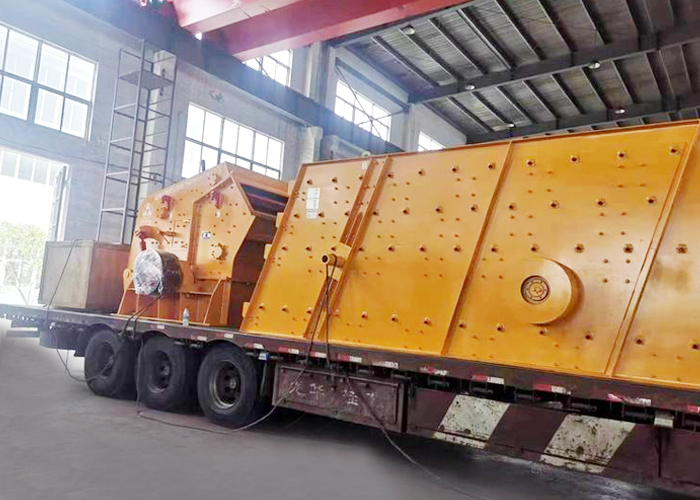
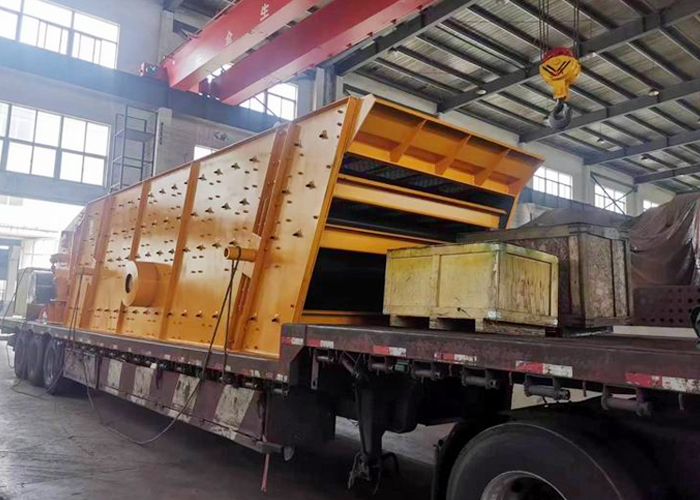
Dry Processing Sand Making Equipment – Overview
The SMC dry processing sand making equipment produces manufactured sand without using water at any stage of crushing or classification, addressing the needs of operations in arid regions with limited water access, cold climates where wet processing risks freezing, and sites where wastewater discharge or tailings pond management would be costly or environmentally problematic.
In place of water washing, the system uses a dry classification unit — typically a high-efficiency air classifier — positioned downstream of the crushing stage to separate the product into target size fractions and remove excess ultra-fine dust, achieving a comparable level of gradation control to wet processing without consuming or contaminating any water.
An integrated dust collection system, usually a bag-house or cyclone-and-bag-house combination, captures airborne fines generated throughout the crushing and classifying process, both protecting air quality around the plant and recovering valuable fine material that can be sold as a separate product stream, such as manufactured filler or micro-fines for specific applications.
Because there is no water to manage, the system eliminates the need for a settling pond, sludge dewatering, or wastewater treatment — significant cost and environmental compliance burdens associated with wet sand washing, particularly in regions with strict discharge regulations or where water rights and availability are constrained.
The crushing stage itself uses the same centrifugal VSI rotor principle employed in wet sand-making lines, ensuring the dry process does not compromise particle shape quality; the key difference lies entirely downstream, in how classification and dust management are handled without water.
In cold-climate operation, the dry process avoids the freeze-related problems that plague wet washing plants in winter — frozen screens, ice buildup in flumes, and frozen product stockpiles — allowing continuous production through winter months when wet plants would otherwise need to shut down or heat water at significant energy cost.
Typical applications include manufactured sand production in desert and semi-arid regions, cold-climate quarries operating through winter, and any site where minimizing water consumption or avoiding wastewater discharge is a priority driven by regulation, cost, or genuine water scarcity.
For operations in water-constrained or cold environments, the SMC dry processing sand making equipment delivers manufactured sand production without the water dependency, tailings management burden, and seasonal shutdown risk of conventional wet processing.
Frequently Asked Questions (FAQ)
1. How does dry processing achieve gradation control without water?
A high-efficiency air classifier uses controlled airflow to separate crushed material into target size fractions and remove excess ultra-fine dust, achieving comparable gradation control to wet washing.
2. What happens to the dust generated during dry crushing?
An integrated dust collection system, typically a bag-house or cyclone-and-bag-house combination, captures airborne fines for both air quality control and recovery as a sellable byproduct.
3. Is particle shape quality affected by skipping water washing?
No, the crushing stage uses the same centrifugal VSI rotor principle as wet lines; shape quality is determined by the crushing process, not the downstream water or air classification method.
4. What are the main benefits of avoiding water in sand production?
Eliminating water avoids the need for settling ponds, sludge dewatering, and wastewater treatment, while also removing freeze-related risks in cold climates.
5. Is dry processing suitable for cold climates?
Yes, dry processing is particularly well suited to cold climates since it avoids frozen screens, ice buildup, and frozen stockpiles that can shut down wet washing plants in winter.
6. Can dry processing remove clay and mud as effectively as washing?
Wet washing generally removes clay and mud more thoroughly than air classification; dry processing is best suited to feedstock with naturally low clay content or where a dry classifier's fines removal is sufficient.
7. What byproducts does the dust collection system produce?
Recovered ultra-fine material can be marketed as manufactured filler or micro-fines for specific applications, turning a waste stream into an additional revenue source.
8. How is bag-house filter maintenance handled?
Filter bags should be inspected weekly and replaced or cleaned as needed; a rising pressure drop across the bag-house is the primary indicator that maintenance is due.
9. What water savings does this system provide compared to wet washing?
The system eliminates process water consumption entirely at the crushing and classification stage, which can represent a substantial reduction in a plant's overall water footprint.
10. Is dry processing more energy-intensive than wet washing?
Dry processing requires energy for air classification and dust collection fans, which can offset some of the energy otherwise used for water pumping and possible water heating in cold climates.
11. What feed materials work best for dry processing?
Most rock types suitable for VSI sand making work with dry processing, though very sticky or high-clay feedstock may perform better with wet washing to achieve target cleanliness.
12. Can dry and wet processing be combined in one plant?
Yes, some plants use a hybrid approach, applying dry processing to certain feedstocks or product lines while retaining wet washing for others requiring more thorough clay removal.
13. What regulatory advantages does dry processing offer?
By eliminating wastewater discharge, dry processing can simplify environmental permitting and compliance in regions with strict water discharge regulations.
14. What warranty applies to the dry processing system?
A standard 12-month warranty covers manufacturing defects across the crushing, classifying, and dust collection equipment.
15. Do you provide site assessment for dry vs. wet processing selection?
Yes, our engineers can evaluate your feedstock, water availability, and climate conditions to recommend whether dry or wet processing best fits your operation.


 English
 русский